Summer has set in. The hot, blistering heat isn’t solely exhausting, however drains your energy levels too.
Therefore, it is necessary to keep you healthy selecting the suitable foods in keeping with the climate
Nature has provided us with enough foods that are specific to seasons and are healthy, and this is how you can adapt your body to the seasonal changes. For summers, the secret is to eat light. This helps your heart and digestive system to stay healthy and perform well.
The next step is to choose the foods that have a cooling effect on your body
Here are some:
Water is the best Choice to quench thirst: It’s the key ingredient to keep the body cool; with high humidness level sweat won’t evaporate quickly, for this reason it is necessary to hydrate and drink water even when you are not thirsty.
Avoid Caffeinated / carbonated beverages: All these drinks contain preservatives, colors and sugars. They are acidic in nature and act as diuretics (loss of fluid from body).
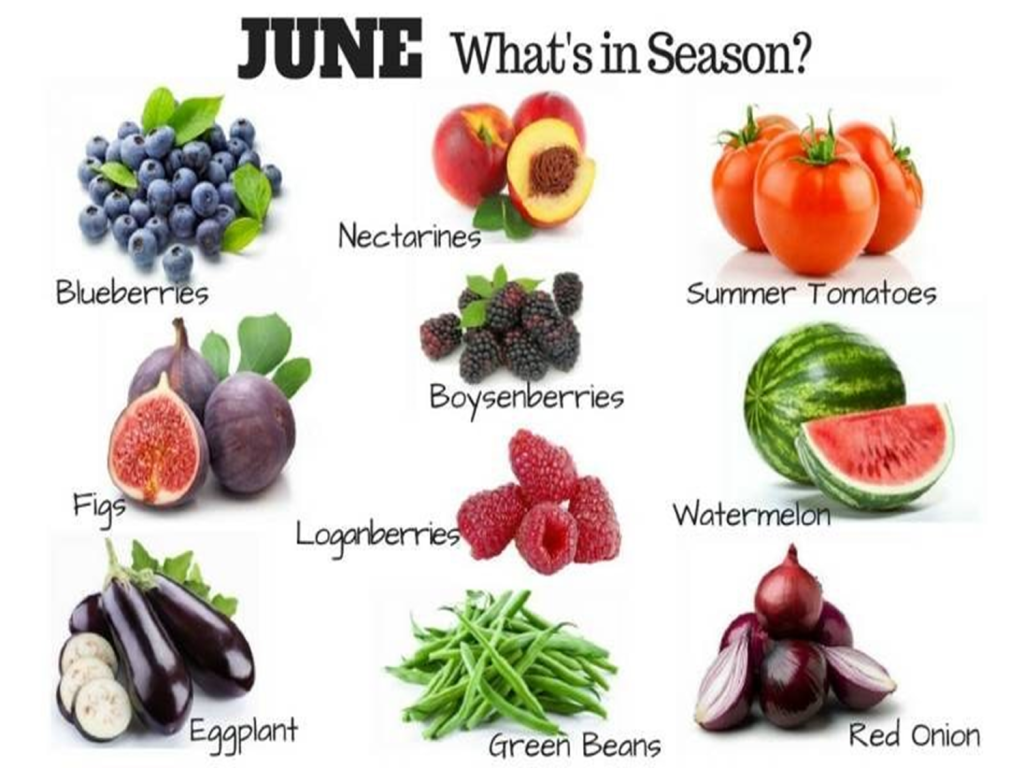
Include lots of fruits & vegetables which have cooling effect on body such as list include for fruit:
Fresh Fruits & Vegetables are high in vitamins and minerals. They have an expansive effect on our bodies that draw heat from our central organs and, thereby, cool the body.
Fresh veggies & fruits also contain a lot of water that boost the cooling impact on the body.
Do not drink very Chilled Liquids: they don’t help to keep your body cool down, in fact drinking cool liquids when you feel hot may cause a small constriction of the blood vessels within the skin and decrease the heat loss, which is not advisable when trying to cool down your body.
Drink Lemon juice & Coconut water to replenish the fluids that are lost in sweat
Minimize the intake of hot, spicy and salty foods
Cut the intake of fried foods like Samosa, vadas, Chips etc, as fats have thermal effect.
Maintain good Hygiene levels.
We can Beat the Heat this summer, by nourishing ourselves with natural & healthy foods & stay hydrated.
It seems like everyone is praising the keto diet these days. But if you’re considering this diet, you’ll probably want to know about the side effects before you decide if it’s right for you.
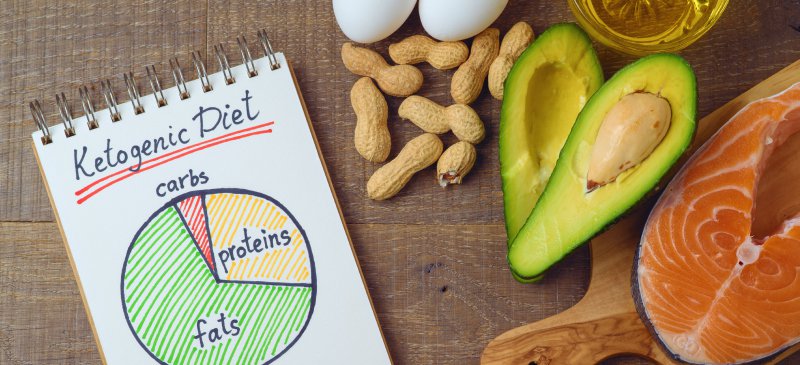
The keto diet requires adhering to an extremely low-carb, high-fat diet in order to put your body into a metabolic state called ketosis. This makes your body more efficient at burning fat.
In recent weeks, the keto diet has been in the news because some experts say it can cause changes in libido.
“The ketogenic diet can definitely result in a drop in libido when starting the diet, as the dieter will be experiencing symptoms of carb withdrawal and potentially the keto flu,” noted Dr. Nancy P. Rahnama, a bariatric and internal medicine doctor based in California.
This diet was originally developed for a medical purpose to aid people with epilepsy.
However, there are some side effects, that are well known and that any aspiring keto dieter can get ready for.
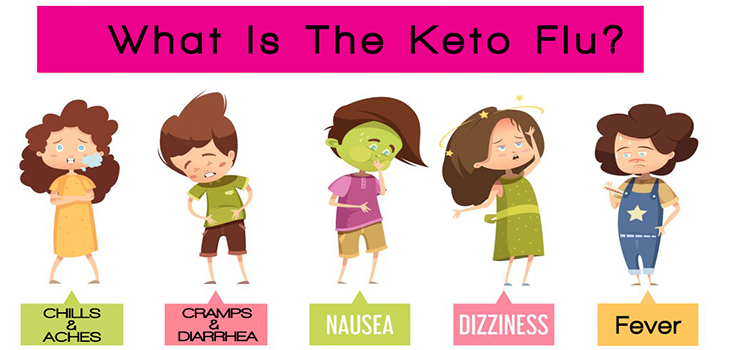
Get ready for the keto flu
Most people already know about the keto flu, which can happen when you start the diet. It’s a result of the body adapting to the low-carb state. Lowering carb intake forces the body to burn ketones for energy instead of glucose. Once the body is in ketosis — burning fat instead of glucose — the keto diet is working. But you may not feel so great at first, hence the term keto flu.
Symptoms of the keto flu can include everything from headache, weakness, and irritability, to constipation, nausea, and vomiting.
With the start of the keto diet, the body switches from using sugar as a source of energy to using the body’s stored fat, In the process of breaking down fat, the body produces ketones, which are then removed by the body through frequent and increased urination. This may lead to dehydration and flu-like symptoms, such as fatigue, dizziness, irritability, nausea, and muscle soreness.
With this frequent urination, there is also the inevitable loss of electrolytes, which can exacerbate these symptoms. In addition, as carbohydrates are a source of energy and stimulation, removal of this source of energy will result in increased sugar cravings, brain fog, [and] difficulty concentrating, much like most other withdrawal symptoms. For most people, the keto flu only lasts about a week.
Kidney and heart damage
Because the body can be low on electrolytes and fluid on top of the increased urination, that can lead to a loss of electrolytes such as sodium, magnesium, and potassium. This can make people prone to acute kidney injury.
Dehydration is serious and may result in lightheadedness, kidney injury, or kidney stones.This may put the dieter at risk of a cardiac arrhythmia, as electrolytes are necessary for the normal beating of the heart.
As Electrolyte deficiencies are serious and may results in an irregular heartbeat, which can be deadly.
Nutritional concerns
There is a fear among health experts that such high intakes of unhealthful fats would have a long-term negative effect. Weight loss can often confuse the data in the short term. This is because when overweight people lose weight, regardless of how they do it, they often end up with better blood lipids and blood glucose levels.
The keto diet is also extremely low in certain fruits, vegetables, grains, and legumes that are generally thought of as healthy. Without these foods, people on the diet can miss out on fiber, certain vitamins, minerals, and phytochemicals that only come in these foods. That has significant human health impacts over the long term such as bone loss and increased risk of chronic diseases.
Hundreds of studies suggest that diets rich in whole plant foods are linked with significantly lower levels of diseases like osteoporosis, Alzheimer’s disease, heart disease, cancer, and type 2 diabetes. So, do people want to risk their long-term health just to lose weight more quickly?
It seems like everyone is praising the keto diet these days. But if you’re considering this diet, you’ll probably want to know about the side effects before you decide if it’s right for you.
The keto diet requires adhering to an extremely low-carb, high-fat diet in order to put your body into a metabolic state called ketosis. This makes your body more efficient at burning fat.
In recent weeks, the keto diet has been in the news because some experts say it can cause changes in libido.
“The ketogenic diet can definitely result in a drop in libido when starting the diet, as the dieter will be experiencing symptoms of carb withdrawal and potentially the keto flu,” noted Dr. Nancy P. Rahnama, a bariatric and internal medicine doctor based in California.
“Once the withdrawal and flu-like symptoms have passed, and the dieter has adapted to the lower-carb lifestyle, the libido will most likely reset and potentially be better than prior as a result of weight loss from the diet,” she said.
While the libido warning got a lot of notoriety in the media, actual research confirming this side effect was hard to come by.
“Overall, ketogenic research is limited,” said Stephanie McKercher, a Colorado-based registered dietitian and recipe developer at The Grateful Grazer. “We need more studies to fully understand all of the potential adverse effects of this diet.”
She pointed out that the diet was originally developed for a medical purpose to aid people with epilepsy.
However, there are some side effects, that are well known and that any aspiring keto dieter can get ready for.
Get ready for the keto flu
Most people already know about the keto flu, which can happen when you start the diet. It’s a result of the body adapting to the low-carb state. Lowering carb intake forces the body to burn ketones for energy instead of glucose. Once the body is in ketosis — burning fat instead of glucose — the keto diet is working. But you may not feel so great at first, hence the term keto flu.
Symptoms of the keto flu can include everything from headache, weakness, and irritability, to constipation, nausea, and vomiting.
“With the start of the keto diet, the body switches from using sugar as a source of energy to using the body’s stored fat,” Rahnama explained. “In the process of breaking down fat, the body produces ketones, which are then removed by the body through frequent and increased urination. This may lead to dehydration and flu-like symptoms, such as fatigue, dizziness, irritability, nausea, and muscle soreness.”
“With this frequent urination, there is also the inevitable loss of electrolytes, which can exacerbate these symptoms. In addition, as carbohydrates are a source of energy and stimulation, removal of this source of energy will result in increased sugar cravings, brain fog, [and] difficulty concentrating, much like most other withdrawal symptoms.”
For most people, the keto flu only lasts about a week.
Kidney and heart damage
Because the body can be low on electrolytes and fluid on top of the increased urination, that can lead to a loss of electrolytes such as sodium, magnesium, and potassium. This can make people prone to acute kidney injury.
“Dehydration is serious and may result in lightheadedness, kidney injury, or kidney stones,” she said.
This may put the dieter at risk of a cardiac arrhythmia, as electrolytes are necessary for the normal beating of the heart, Rahnama added.
“Electrolyte deficiencies are serious and may results in an irregular heartbeat, which can be deadly,” she added.
Yo-yo dieting patterns
The keto diet can also lead to yo-yo dieting, because people have difficulty staying on the restrictive diet permanently.
That can have other negative effects on the body.
There are few long-term studies on the keto diet, which may be because it’s difficult to follow, so people aren’t staying on it for a long time.
“If trying to go keto causes you to yo-yo and go off and on diets, that has impacts related to weigh fluctuations and increased mortality risk,” added Sharon Palmer, a dietitian from California.
Other impacts
Other side effects can include bad breath, fatigue, constipation, irregular menstrual cycles, decreased bone density, and sleep issues.
Then there are other effects that are not well studied, mostly because it’s hard to track dieters on a long-term basis to find out the lasting effects of the eating plan.
“We don’t know for sure the effects on blood cholesterol, some studies show increases, others show decreases, but we don’t know over the long-term because of a lack of research,” Palmer said.
Nutritional concerns
“There is a fear among health experts that such high intakes of unhealthful fats would have a long-term negative effect,” she explained. Weight loss can often confuse the data in the short term. This is because when overweight people lose weight, regardless of how they do it, they often end up with better blood lipids and blood glucose levels.
The keto diet is also extremely low in certain fruits, vegetables, grains, and legumes that are generally thought of as healthy. Without these foods, people on the diet can miss out on fiber, certain vitamins, minerals, and phytochemicals that only come in these foods. That has significant human health impacts over the long term such as bone loss and increased risk of chronic diseases.
“Hundreds of studies suggest that diets rich in whole plant foods are linked with significantly lower levels of diseases like osteoporosis, Alzheimer’s disease, heart disease, cancer, and type 2 diabetes,” Palmer said. “So, do people want to risk their long-term health just to lose weight more quickly?”
Is the keto diet for everyone?
Not all patients are appropriate candidates for the keto diet, especially those with chronic conditions such as high blood pressure, diabetes, or other conditions that may be the result of a previous diet.
This diet can result in such a big change for many people’s metabolic and other bodily systems, that adhering to the diet may even change the effectiveness of a person’s medication.
Patients need to be evaluated and monitored by a physician when they start a keto diet due to the level of dietary restriction. They may need to begin electrolyte supplementation or change any daily medication dosages they take. Talking to your doctor before you begin is a smart idea.
Got the keto diet go-ahead? You’ll want to boost your water intake before you start.
Some patients may need to supplement with sodium, as long as they do not have blood pressure issues. Some may even need prescription potassium supplementation,adding that she begins all keto diet patients on a magnesium supplement, as it’s an electrolyte that can be taken with low risk of overdose. keto dieters may have to up their carb intake if they have continued issues with hydration.
Keto is not a great long-term diet, as it is not a balanced diet. A diet that is devoid of fruit and vegetables will result in long-term micronutrient deficiencies that can have other consequences.
The keto diet can be used for short-term fat loss so long as the patient is medically supervised. But it’s not a permanent weight loss or maintenance solution.
The keto diet is a very successful way for rapid weight loss as long as it is done safely, you do not want to cause bigger problems in order to solve a smaller one
According to Kew Gardens, England’s royal botanical center of excellence, Aloe vera has been used for centuries and is currently more popular than ever.
It is cultivated worldwide, primarily as a crop for “Aloe gel,” which comes from the leaf.
Aloe vera is widely used today in:
Food – it is approved by the FDA as a flavoring.
Cosmetics.
Food supplements.
Herbal remedies.
HEALTH BENEFITS OF ALOE VERA
1. Teeth and gums
A study published in General Dentistry reported that Aloe vera in tooth gels is as effective as toothpaste in fighting cavities.
The researchers compared the germ-fighting ability of an Aloe vera tooth gel with two popular toothpastes. They found that the gel was just as good, and in some cases even better than the commercial toothpastes at controlling cavity-causing oral bacteria. The scientists warned that not all gels they analyzed contained the proper form of Aloe vera – they must contain the stabilized gel that exists in the center of the plant to be effective.
2. Constipation
Germany’s regulatory agency for herbs – Commission E – approved the use of Aloe vera for the treatment of constipation. Dosages of 50-200 milligrams of Aloe latex are commonly taken in liquid or capsule form once daily for up to 10 days.
The U.S. Food and Drug Administration (FDA) ruled in 2002 that there is not enough data on the safety and efficacy of Aloe products; so, in the U.S., they cannot be sold to treat constipation.
3. Diabetes-induced foot ulcers
A study carried out at the Sinhgad College of Pharmacy, India, and published in the International Wound Journal looked at Aloe’s ability to treat ulcers.
They reported that a “gel formed with carbopol 974p (1 percent) and Aloe vera promotes significant wound healing and closure in diabetic rats compared with the commercial product and provides a promising product to be used in diabetes-induced foot ulcers.”
4. Antioxidant and possible antimicrobial properties
Researchers at the University of Las Palmas de Gran Canaria, Spain, published a study in the journal Molecules.
The team set out to determine whether the methanol extract of leaf skins and flowers of Aloe vera might have beneficial effects on human health. The scientists focused on the extract’s possible antioxidant and antimycoplasmic activities.
Mycoplasma is a type of bacteria that lack a cell wall; they are unaffected by many common antibiotics. Antimycoplasmic substances destroy these bacteria.
They reported that both Aloe vera flower and leaf extracts had antioxidant properties, especially the leaf skin extract. The leaf skin extract also exhibited antimycoplasmic properties.
The authors concluded that “A. Vera extracts from leaf skin and flowers can be considered as good natural antioxidant sources.”
8. Wounds from second-degree burns
A team of plastic surgeons compared Aloe vera gel to 1 percent silver sulphadiazine cream for the treatment of second-degree burn wounds. They reported in the Journal of Pakistan Medical Association that the burn wounds among the patients treated with Aloe vera healed significantly quicker compared with those treated with 1 percent silver sulfadiazine (SSD). The researchers added that those in the Aloe vera group experienced significantly more and earlier pain relief than those in the SSD group.
HOW WE CAN EAT ALOE VERA ?
Aloe vera leaves are comprised of three parts: the skin, the gel and the latex. They’re best known for their gel, which is responsible for most of its health benefits.
While most people apply the gel to their skin, it’s also safe to eat when prepared right.
Aloe vera gel has a clean, refreshing taste and can be added to a variety of recipes, including smoothies and salsas.
To prepare the gel, cut off the spiky edges on the top and alongside the aloe vera leaf. Next, slice off the skin on the flat side, remove the clear gel and dice it into small cubes.
Make sure to wash the gel cubes thoroughly to remove all traces of dirt, debris and residue. Latex residue can give the gel an unpleasant bitter taste. It’s very important to choose leaves from the aloe vera plant and not from other aloe species, as these may be poisonous and therefore unfit for human consumption.
Potential Benefits of Eating Aloe Vera
May reduce blood sugar levels
May suppress inflammatory signals
Reduce dental plaque
May boost memory
Rich in antioxidants
RECIPES IN WHICH YOU USE ALOE VERA
So as discussed above, Aloe vera is safe to eat, so here are some food ideas in which aloe vera can eaten .
You can prepare Aloe vera juice/ cocktail , can mix with lime , mint extract to make it more tastier
Aloe vera juice
2. Aloe Vera can be added up in some salads, mixed up with salad dressings
3. Aloe vera can be cooked in Traditional Asian recipe as Aloe Vera Curry .
Alo vera Sabzi / curry
4. Aloe Vera Gel can be used as natural gelatin in making Jellies , pudding , aloe vera popsicles etc.
Jelly with Aloe Vera
Aloe vera Popsicle with Lemon & Ginger extracts
5. Aloe vera can be added up in making of puddings and sweets .
A dessert that has benefits for the digestive and immune systems and is actually good for you? Count us in! Blended with milk, the aloe in this cake tastes nothing like it’s raw, bitter version.
Aloe vera gel and skin can be eaten. The gel, in particular, may offer several health benefits.
Be sure to wash the gel or skin thoroughly to remove all traces of latex, which has an unpleasant bitter taste and may cause harmful side effects.
Never eat aloe vera skin care products. They do not offer the same benefits as the leaf and are not meant to be ingested.
In addition, aloe vera is rich in nutrients with more than 75 potentially active compounds, including vitamins, minerals, enzymes, amino acids, fatty acids and polysaccharides.
Fasting during the holy month of Ramadan is one of the five pillars of Islam and commemorates the time when the Holy Quran was revealed to Muhammad (P.B.U.H). The month-long (29-30 day) fast is obligatory for all healthy Muslims who have reached puberty. Followers must refrain from eating and drinking between dawn and sunset, and must abstain from using oral medications, sexual activity and smoking.
Many Muslims, even those who could seek exemption, have an intense desire to participate in fasting during Ramadan. Fasting is mandatory for all Muslim adults, with certain groups exempted, such as those with an illness – this may include some individuals with diabetes. Because of the metabolic nature of the disease, people with diabetes are at particular risk of complications from marked changes in food and fluid intake. Potential health hazards include low blood glucose (hypoglycaemia), high blood glucose (hyperglycaemia), dehydration and acute metabolic complications such as diabetic ketoacidosis (DKA).
Estimates suggest that there are 150 million Muslims with diabetes worldwide. Despite being exempt, many people with diabetes participate in fasting during Ramadan. Therefore, Ramadan has a major impact on the management of diabetes in the Muslim population.
Fasting and diabetes
s important that the decision about whether to fast is made on an individual basis in consultation with a healthcare provider, taking into account the severity of illness and the level of risk involved. A cornerstone of managing diabetes during Ramadan is patient education, which should include information on risks, glucose monitoring, nutrition, exercise and medication.
Studies have shown that pre-Ramadan counselling reduces the episodes of low blood glucose. Pre-Ramadan education provides a platform to remind people with diabetes about the importance of diet and exercise, and that regular glucose monitoring is essential to avoid complications, while reassuring them that this does not invalidate the fast.
Fasting during Ramadan may provide enduring benefits. Indeed, Ramadan can provide an opportunity for a better lifestyle, facilitating weight loss and stopping smoking. For people with diabetes who choose to fast, Ramadan may help to strengthen the therapeutic alliance between patient and physician, and may provide an opportunity to improve diabetes management, with a focus on self-care and the regulation of medication and meal timing.
What to know and do
Know your risk: As per the Holy Quran, there are groups of people who might make themselves ill by fasting. Based on medical and religious advice, it is recommended to visit your doctor & Clinical Dietitian 6-8 weeks before Ramadan to understand your risk category before deciding to fast. If your doctor advises not to fast, you will get the same Thawab (reward).
Check your blood glucose regularly: Blood glucose measurement and insulin injection do not break the fast and are important. They are your window to know your blood glucose levels and manage your diabetes. Changes in eating habits during Ramadan may affect your blood glucose and therefore it is important check blood glucose levels regularly.
Medication adjustments during fasting: Talk to your doctor about the adjustments required to the dose, timing or type of medication to reduce the risk of low blood sugar.
When to break the fast? All people with diabetes should break the fast if:
Blood glucose is lower than 70 mg/dl . Re-check within one hour if blood glucose is in the range 70-90 mg/dl
Blood glucose is higher than 300 mg/dl
Symptoms of hypoglycemia, hyperglycemia, dehydration or acute illness occur
Exercising during Ramadan: perform regular light-to moderate exercise. Rigorous exercise is not recommended during fasting because of the increased risk of low blood glucose and/or dehydration. Physical exertions involved in Tarawih prayers, such as bowing, kneeling and rising, should be considered part of your daily exercise activities.
When the month of Ramadan ends, avoid overeating (especially sweets) during Eid-ul-Fitr, as it may lead to high blood glucose. Visit your doctor to obtain guidance on changing the medication back to the previous schedule.
Dietary advice for people with diabetes during fasting
*Divide daily calories between suhoor and iftar, plus 1-2 snacks if necessary *Ensure meals are well balanced: 45-50% carbohydrate 20-30% protein <35% fat *Include plenty of fruit, vegetables and salads *Minimise foods that are high in saturated fats (ghee, samosas, pakoras) *Use small amounts of oil when cooking (olive, rapeseed) Stay hydrated between sunset and sunrise by drinking water or other non-sweetened beverages. Avoid caffeinated, sweetened drinks and sugary desserts Include low glycaemic index, high fibre foods that release energy slowly before and after fasting (granary bread, beans, rice)
POrtion Control is KEy to Healthy Lifestyle
ROLE OF DIETITIAN / NUTRITIONIST IN DIABETES & RAMADAN
Like Doctor plays important role in managing diabetes , same like that a Clinical Dietitian / nutrition educator plays vital role in management of diabetes. If your planning to go for fasting this ramadan, do visit and discuss ramadan diet plan with your Dietitian . Dietitian will guide you properly what to eat, how to eat, portion management of the food items, this all will help you in maintaining your glucose levels during the holy month of Ramadan without any complications and health issues.
Visit Your Dietitian for Dietary guidelines for diabetes management this ramadan
The simple act of drinking water may not be the first thing you think about when it comes to weight loss. But this essential liquid for survival is also an easy elixir for good health. Water can help you cut calories, ensure your workouts run efficiently, reduce your intake of sugary beverages, and may even boost your metabolism. So, drink up!
Does Drinking Water Help You Lose Weight?
Water and your weight: the connection
Drink more water, lose more weight
Trade in sugary beverages with a refreshing glass of water
Yes, water is something we should all be drinking plenty of, though most of us don’t get nearly enough of it. And now that more and more research is finding that there is a strong link between dehydration and obesity, there’s more than good reason to start drinking up!
Most Americans drink far less water than they should. According to USDA data, the average American consumes under 4 glasses a day – about half of the ideal amount.
Looking further into this, the lack of water in your diet could also be slowing down your efforts to lose weight, even if you’ve already significantly improved your diet and increased your physical activity. Those already on a weight-loss plan may first want to take stock of your water intake – it could play a decisive part in your success.
Water And Your Weight: The Connection
While we all know that the body needs to be adequately hydrated to function properly, the link between water and your weight may not be as obvious. One group of researchers studied data from the National Health and Nutrition Examination Survey, which examined adults between 18 and 64 years old, for the years between 2009 and 2012. They found that inadequate hydration was significantly associated with obesity and a higher BMI. The researchers found the results to be promising enough to suggest further study on the connection between water intake and weight management.
Another study assessed the impact of increased water consumption on preventing children from becoming overweight. The risk of being overweight went down by as much as 31 percent in schools where daily water intake went up by 1.1 glasses.
Drink More Water, Lose More Weight
Research has found that increased water consumption can help those trying to lose weight, though this has not been directly proven for the broader population. One particular study of overweight women on a diet found that drinking more water was linked to greater weight loss – including overall fat loss – independent of both activity levels and diet.
Decrease Your Overall Calorie Intake
Drinking water before you eat could also help you cut down your caloric intake. One study of middle-aged and older adults tested the impact of water consumption alongside a hypocaloric or reduced calorie diet. Drinking 500 ml of water before the main meal of the day resulted in greater weight loss as a result of eating fewer calories. This means, filling up with a little water before each meal could potentially aid in weight loss.
Trade In Sugary Beverages For A Refreshing Glass Of Water
Quenching your thirst with water means you’re also less likely to reach for a sugary or high-calorie beverage. This simple switch to water is potentially beneficial for your body weight.
Get The Most Out Of Your Workout
Not drinking adequate water can negatively impact your exercise regimen as well. You need to ensure you stay hydrated during any workout. While most people are well-hydrated when they begin their exercise, they tend to forget to keep drinking during their workout. A combination of heat stress and the physical exercise itself can cause electrolyte and fluid imbalances. If water and electrolytes are not replaced during the workout, you likely won’t see optimal results – dehydration can negate the calorie-burning effects of high-aerobic fitness.
Can Water Boost Your Metabolism? Mixed Results From Studies
Water consumption could even bump up your metabolic rate. A small study found that drinking half a liter of water resulted in a 30 percent rise in metabolic rate. This hike in metabolism occurred as early as 10 minutes after the water was consumed, peaking at 30 to 40 minutes post-consumption. Male bodies used lipids while females burnt through carbs to fuel the rise in metabolism. In this instance, the researchers said the revving up of the internal engines happens due to the metabolic action needed to raise water temperature from about 22 degrees celsius (room temperature) to 37 degrees (your body temperature). This means, that while it is important to keep hydrated to run your body efficiently, it may not necessarily boost your metabolism to the degree some have claimed.
So, How Much Water Should You Drink?
While some studies do peg it at 1–2 liters daily, there is no magic number for everyone.Water consumption varies depending on myriad things, including your activity levels, metabolism, body weight, gender, and weather or environmental conditions where you live and work. However, there are some broad guidelines. For instance, the National Health Service recommends consuming 6 to 8 glasses (or about 1.2 liters) of water a day to prevent dehydration and enable your body to function optimally.5For those who have a strenuous exercise routine, more water and electrolytes will need to be consumed based on the intensity and duration of the workout.
Another way to check your hydration levels is to simply look at the color of your urine. Experts quoted in a Time article suggest that light-colored urine is an indication that you’re probably drinking enough water. The darker your urine, the more water you should consume.
Stay Hydrated in this summer, to be healthy and fit !
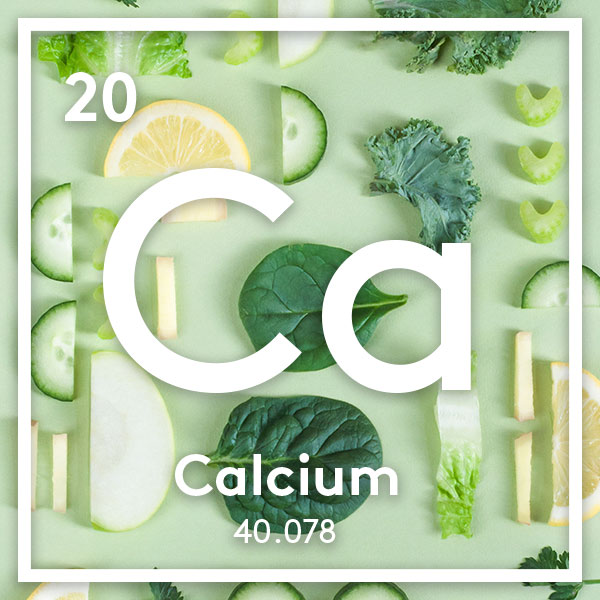
Calcium is vital for keeping your bones and teeth healthy. If you want sources other than dairy, turn to veggies like rhubarb, spinach, and turnip and mustard greens to add to your calcium intake. Edamame, collard greens, kale, and Chinese cabbage are also good options for a shot of calcium.
Vegetables Rich In Calcium
Rhubarb
Collard greens
Spinach
Mustard greens
Turnip greens
Calcium is your bone’s best friend. Take it out of your diet and your body will crumble because of weak bones and malfunctioning nerves and muscles. If you’re looking to tank up on this vital nutrient, there’s more on offer than that tall glass of milk. While milk and other dairy products are great sources of calcium, many vegetables also stack up on the calcium index. So whether you’re vegan, vegetarian, or simply looking for veggie options, here’s what you need to get in.
Recommended Daily Intake Of Calcium For Adults Is 1000 Mg–1200 Mg
The recommended dietary intake for all adults between19 to 50 years is 1000 mg.
Between the ages of 51 and 70, men need 1000 mg while women need 1200 mg.
From the age of 71, both men and women need 1200 mg.
Children need 700 mg daily between the ages of 1 and 3, 1000 mg between 4 and 8, and 1300 mg between 9 and 18.
1. Rhubarb
1 cup rhubarb, cooked: 348 mg of calcium (26.7% DV)
One of the richest sources of calcium when it comes to vegetables, rhubarb is often treated like a fruit. Typically cooked with sugar, rhubarb is perfect for that moreish jam, pie, or crumble. Or stew rhubarbs with some ginger and cinnamon and pair with a dollop of vanilla ice cream for the perfect dessert. One cup of cooked rhubarb will give you a whopping 348 mg of calcium or 26.7% of your DV. Do keep in mind that only rhubarb leaf stalks should be eaten. The leaves have high levels of oxalic acid and can be toxic.
2. Collard Greens
1 cup of collards, cooked: 268 mg of calcium (20.6% DV)
If you’re looking to up your intake of calcium, collard greens are the way to go. These leafy veggies are a member of the cabbage family but look more like a leafy lettuce. A cup of these nutritious veggies will give you 268 mg of bone-building calcium or 20.6% of your DV.Have them raw in a salad or cook up with a dash of garlic, chili flakes, and sesame oil to make your own version of the southern “mess of greens.”
3. Spinach
1 cup of spinach, cooked: 245 mg of calcium (18.8% DV)
What’s a list of calcium-rich veggies without the green, leafy spinach! Use it raw in salads, stir fry it, steam it, blend it into your smoothie, asian style spinach curry – the options are endless. If you are in the mood for something indulgent, how about a wholesome creamed spinach casserole or a decadent spinach and shrimp pasta dish? One cup of Popeye’s favorite cooked up brings you 245 mg of calcium – that’s 18.8% of your DV.
4. Turnip Greens
1 cup turnip greens, cooked: 197 mg of calcium (15.1% DV)
Here’s another green leafy vegetable that’s rich in calcium! A cup of cooked turnip greens gives you 197 mg of calcium. That’s 15.1% of your DV right there. You can steam or boil these for a lovely and satisfying pile of greens. Or how about a fiery stir-fry with anchovies, chilies, and garlic.
5. Mustard Greens
1 cup mustard greens, cooked: 165 mg of calcium (12.6% DV)
These peppery greens are delish sauteed with garlic and onions. And they’ll give you a healthy dose of calcium – 165 mg or 12.6% of your DV – with just one cup
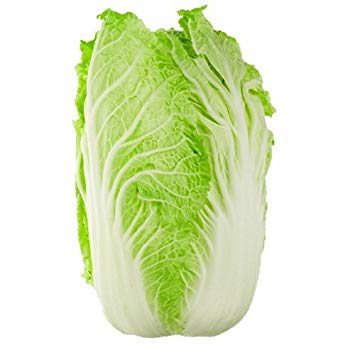
6. Chinese Cabbage
1 cup Chinese cabbage, cooked: 158 mg of calcium (12.1% DV)
Chinese cabbage, bok choi, or pak choy is another great source of calcium. One cup of these greens cooked will give you 12.1% of your DV with 158 mg of calcium. Rustle up an Asian stir-fry or use it in your stews, soups, or casseroles. The young leaves are tender and can even be used raw in salads or serve as a garnish.
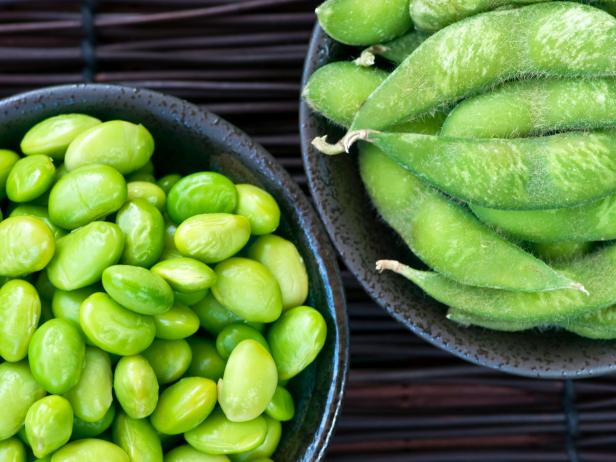
7. Edamame
1 cup of edamame, cooked: 98 mg of calcium (7.5% DV)
These green soybeans add both calcium and protein to your diet, especially if you are vegetarian or vegan. They can be steamed, boiled, or microwaved and eaten as a snack. They also work wonders in a pilaf, pasta, or noodles. You can even make burgers or a risotto with these delicate beans. A cup of cooked green soya beans will give you 98 mg or 7.5% DV of calcium.
8. Kale
1 cup kale, cooked: 94 mg of calcium (7.2% DV)
Here’s another member of the cabbage family that can chalk up a healthy dose of calcium. A cup of cooked kale will supply you with 7.2% of your DV with 94 mg of calcium. Shred them into a salad or whip up a stir-fry or soup. Better still, chuck them in the oven with a little salt and oil and make yourself some healthy, yummy crisps.
9. Okra
1 cup okra, cooked: 62 mg of calcium (4.7% DV)
Originally from Africa, okra has made inroads into a range of cuisines from Cajun and Caribbean to Asian food. Okra pairs up beautifully with garlic and exotic spices like cumin and coriander. Roast them off in the oven or toss them in high heat with Asian spices. A cup of cooked okra will give you 62 mg of calcium – that’s 4.7% of your DV.
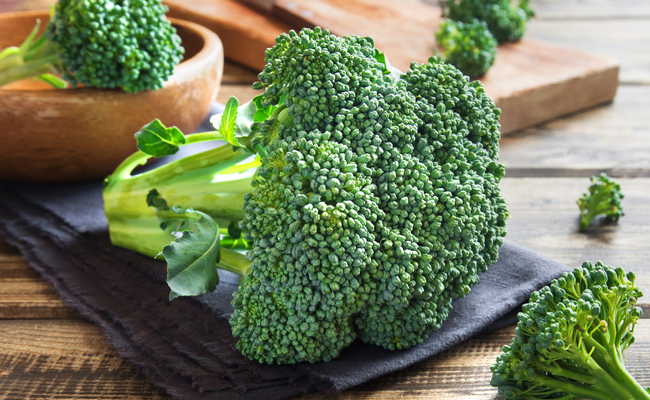
10. Broccoli
1 cup broccoli, chopped and cooked: 31 mg of calcium (2.3% DV)
You may have turned up your nose at this veggie when you were small, but the broccoli is full of goodness you can’t beat! Its calcium content isn’t too shabby either. A cup of cooked broccoli will give you 31 mg of calcium or 2.3% of your DV. If you’re still not much of a broccoli fan, try it in a pasta bake or casserole. Stir-fry with cashews, chopped garlic.
You need calcium to keep your bones strong and healthy. Calcium also helps your blood vessels to carry blood, your muscles to move, and your nerves to carry messages between the brain and other body parts. It also plays a part in the release of enzymes and hormones.
Sunflower seeds are popular in trail mix, multi-grain bread and nutrition bars, as well as for snacking straight from the bag.
They’re rich in healthy fats, beneficial plant compounds and several vitamins and minerals.
These nutrients may play a role in reducing your risk of common health problems, including heart disease and type 2 diabetes.
Here’s everything you need to know about sunflower seeds, including their nutrition, benefits and how to eat them.
What Are Sunflower Seeds?
Sunflower seeds are technically the fruits of the sunflower plant (Helianthus annuus)
Sunflower seeds have a mild, nutty flavor and a firm but tender texture. They’re often roasted to enhance the flavor, though you can also buy them raw.
Nutritional Value
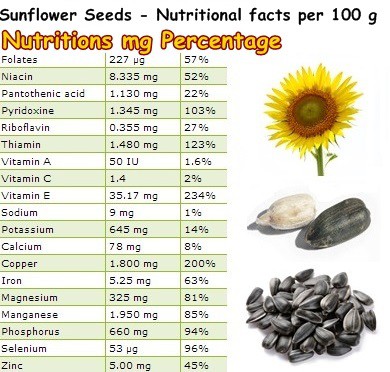
Sunflowers pack many nutrients into a tiny seed. Sunflower seeds are especially high in vitamin E and selenium. These function as antioxidants to protect your body’s cells against free radical damage, which plays a role in several chronic diseases. Additionally, sunflower seeds are a good source of beneficial plant compounds, including phenolic acids and flavonoids — which also function as antioxidants.
HEALTH BENEFITS
Sunflower seeds may help lower blood pressure, cholesterol and blood sugar as they contain vitamin E, magnesium, protein, linoleic fatty acids and several plant compounds .
Heart Disease
High blood pressure is a major risk factor for heart disease, which can lead to heart attack or stroke
Additionally, sunflower seeds are rich in unsaturated fatty acids, especially linoleic acid. Your body uses linoleic acid to make a hormone-like compound that relaxes blood vessels, promoting lower blood pressure. This fatty acid also helps lower cholesterol.
In a 3-week study, women with type 2 diabetes who ate 1 ounce (30 grams) of sunflower seeds daily as part of a balanced diet experienced a 5% drop in systolic blood pressure (the top number of a reading)
Diabetes
The effects of sunflower seeds on blood sugar and type 2 diabetes have been tested in a few studies and seem promising, but more research is needed .
Studies suggest that people who eat 1 ounce (30 grams) of sunflower seeds daily as part of a healthy diet may reduce fasting blood sugar by about 10% within six months, compared to a healthy diet alone .
The blood-sugar-lowering effect of sunflower seeds may partially be due to the plant compound chlorogenic acid .
Studies also suggest that adding sunflower seeds to foods like bread may help decrease carbs’ effect on your blood sugar. The seeds’ protein and fat slow the rate at which your stomach empties, allowing a more gradual release of sugar from carbs .
Potential Downsides
While sunflower seeds are healthy, they have several potential downsides.
Calories and Sodium
Though rich in nutrients, sunflower seeds are relatively high in calories.
Eating the seeds in the shell is a simple way to slow your eating pace and calorie intake while snacking, as it takes time to crack open and spit out each shell.
However, if you’re watching your salt intake, keep in mind that the shells — which people commonly suck on before cracking them open — are often coated with more than 2,500 mg of sodium — 108% of the RDI — per 1/4 cup (30 grams) .
Sodium content may not be apparent if the label only provides nutrition information for the edible portion — the kernels inside the shells. Some brands sell reduced-sodium versions. So always go for unsalted seeds
Cadmium
Another reason to eat sunflower seeds in moderation is their cadmium content. This heavy metal can harm your kidneys if you’re exposed to high amounts over a long period
Sunflowers tend to take up cadmium from the soil and deposit it in their seeds, so they contain somewhat higher amounts than most other foods .
The WHO advises a weekly limit of 490 micrograms (mcg) of cadmium for a 154-pound (70-kg) adult .
Stool Blockages
Eating a large number of sunflower seeds at once has occasionally resulted in fecal impaction — or stool blockages — in both children and adults .
Eating sunflower seeds in the shell may increase your odds of fecal impaction, as you may unintentionally eat shell fragments, which your body cannot digest.
An impaction may leave you unable to have a bowel movement. Your doctor may need to remove the blockage while you’re under general anesthesia.
Besides being constipated due to the fecal impaction, you may leak liquid stool around the blockage and have abdominal pain and nausea, among other symptoms.
Tips for Eating
Sunflower seeds are sold either in the shell or as shelled kernels.
Those still in the shell are commonly eaten by cracking them with your teeth, then spitting out the shell — which shouldn’t be eaten. These seeds are a particularly popular snack at baseball games and other outdoor sports games.
Shelled sunflower seeds are more versatile. Here are various ways you can eat them:
Add to trail mix.
Stir into homemade granola bars.
Sprinkle on a leafy green salad.
Stir into hot or cold cereal.
Sprinkle over fruit or yogurt parfaits.
Add to stir-fries.
Stir into tuna or chicken salad.
Sprinkle over sautéed vegetables.
Add to veggie burgers.
Use in place of pine nuts in pesto.
Top casseroles.
Grind the seeds and use as a coating for fish.
Add to baked goods, such as breads and muffins.
Dip an apple or banana in sunflower seed butter.
Lastly, sunflower seeds are prone to becoming rancid due to their high fat content. Store them in an airtight container in your refrigerator or freezer to protect against rancidity.
The Bottom Line
Sunflower seeds make for a nutty, crunchy snack and a tasty addition to countless dishes.
They pack various nutrients and plant compounds that may help fight inflammation, heart disease and type 2 diabetes.
•Eat less cholesterol. •Cholesterol is found only in foods from animals (foods from plants contain no cholesterol).
•Eat less saturated fat. •Saturated fats are usually found in animal products. •However you should avoid coconut, palm, and palm kernel oil as they are high in saturated fat.
•Eating a diet high in sodium (salt) can increase blood pressure. •Canned foods, dried meats or fish, packaged foods, frozen meals, lunch meats, salad dressings, marinades, and any salted food item (i.e. pretzels)
•Having a normal blood pressure reduces the risk of heart disease.
“Increase Soluble Fiber Intake”
•The type of fiber found in oats, barley, dry beans & peas, fruits & vegetables may help to lower cholesterol levels.
•Choose 5 or more servings of vegetables & fruits/day.
•Choose 6 or more servings of whole grain breads, cereals, pasta, rice, & dry beans/day.
“Reduce Your Weight”
•If you are overweight or obese, a 10% reduction in BWT may help to…
•Regular physical activity : Reduces your risk of heart disease •Aids in weight loss
•How do you do it? : Begin slowly. •Choose an activity you like. •Meet with an exercise professional. •Goal: at least 30 minutes or more of moderate activity, most days of the week.
“Shop Smart”
1.Shop the “outside” aisles of the grocery store, they contain healthier food choices.
● 2.Avoid the middle aisles, they contained processed/high calorie products.
3.Choose fresh fruits, vegetables, milk, breads, and meats.
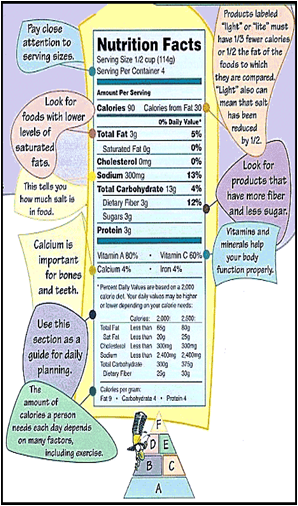
● 4.Read food labels.
Food Labels “The Healthy Eater’s Guide”
•Indicate portion size •Servings per container •Amount of Calories/serving •Amount of CHO/serving •Amount of Fat/serving •Amount of Saturated Fat/serving •Amount of Trans Fat/serving •Amount of Cholesterol/serving •Amount of Sugar/serving •Amount of Sodium/serving •Amount of Fiber/serving •Amount of Protein/serving •Amount of Vit & Min/serving
“Cook Smart”
1.Sauté vegetables in a non-stick pan.
2.Use non-stick spray or broth instead of butter or oil.
3.Use egg whites or cholesterol-free egg substitutes to replace eggs.
4.Use skim milk to replace whole or 2% milk.
5.Use unsaturated oils and liquid margarine to replace butter.
6.Use herbs, spices, flavored vinegars, lemon juice, or fat-free/salt-free condiments to add flavor to foods.
“Dine Out Smart”
1.Split an entrée, or eat half and take the rest home. ●
2.Order baked, broiled, or grilled food. ●
3.Avoid breaded, fried, or creamed foods. ●
4.Ask for gravy, sauce, butter, and salad dressing on the side. ●
5.Limit fast food to 1x/week.
ADD MORE GREEN IN YOUR MEAL
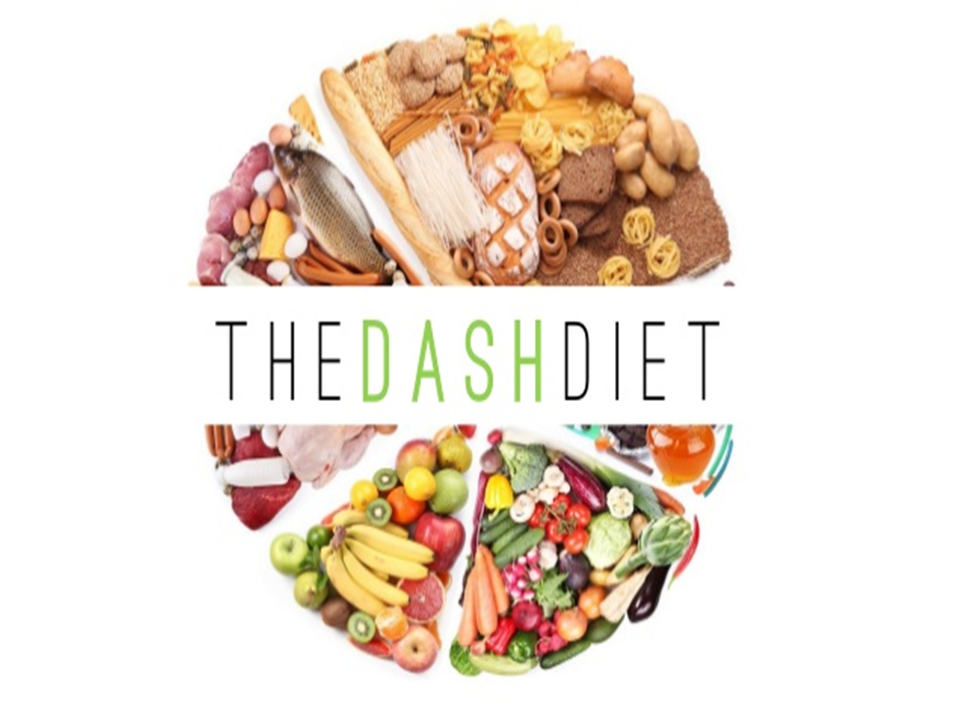
THE DASH DIET
DIETARY APPROACHES TO STOP HYPERTENSION
TheDASHdietemphasizesportionsize,eating a variety of foods and getting the right amount of nutrients. •TheDASHdietisalifelongapproachtohealthyeatingthat’sdesignedtohelptreatorpreventhighbloodpressure(hypertension).
•The DASH diet include lots of whole grains,fruits,vegetables and low-fat dairy products
•The DASH diet also includes some fish ,poultry and legumes .You can eat red meat ,sweets and fats in small amounts
•The DASH diet is low in saturated fat ,cholesterol and total fat
*The nutritional status of women is important both for the quality of their own lives and the survival and healthy development of their children.
*Healthy Women can Fulfill their multiple roles
*By improving women’s Nutrition ,can also help nations to achieve three of the millenium development Goals.
LIFE SPAN DEVELOPMENT OF A WOMEN
Improve Nutrition Throughout Women’s Lives
Addressing the needs of girls and women throughout their lives — the “life cycle approach” — can improve women’s nutritional status.
Factors affecting Nutritional status of a woman
•Household income and its utilization
•Quality of the environment
•Number of siblings
Educational level
gender discrimination
Her activity status & exposure to social stimulation
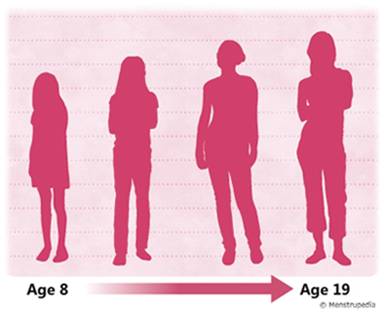
ADOLESCENCE- The Time of Changes
The Adolescent span is considered to be the most important development span of human life, either its female or male. Both experience life changes events in their lives, body changes , developments. Hormonal changes , physical appearance changes. feelings/ emotions changes. This is the most important time for a Girl health point of view, in this majority of girls suffers from Anemia, iron deficiencies . This is the time when focus on nutrition status should be more.
The healthy dietary patterns once adopt during this phase of life it will be continued through out a life, this the time when you can lose weight and gain extra pounds, and in this frame nutrients get deposits in our body as a storage which will be used during pregnancy and lactation period.
MAJOR WOMEN’S HEALTH PROBLEMS
OBESITY
EATING DISORDERS
ANEMIA
IRON DEFICIENCY ANEMIA
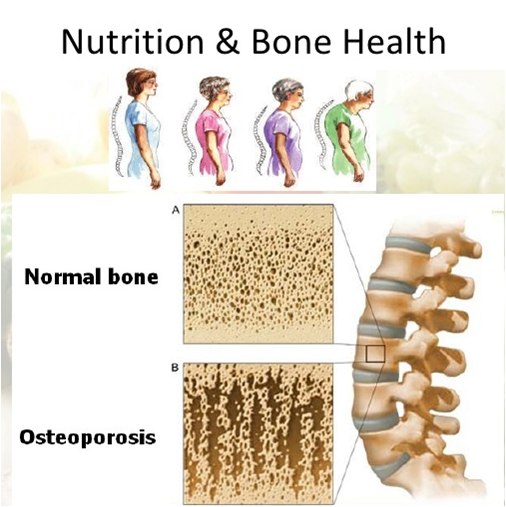
BONES PROBLEMS
CALCIUM DEFICIENCY
BALANCED
DIET
“It is not just about women and not just for women. Addressing women’s health is a necessary and effective approach to strengthening health systems overall – action that will benefit everyone.”
“Improving women’s health matters to women, to their families, communities and societies at large.”
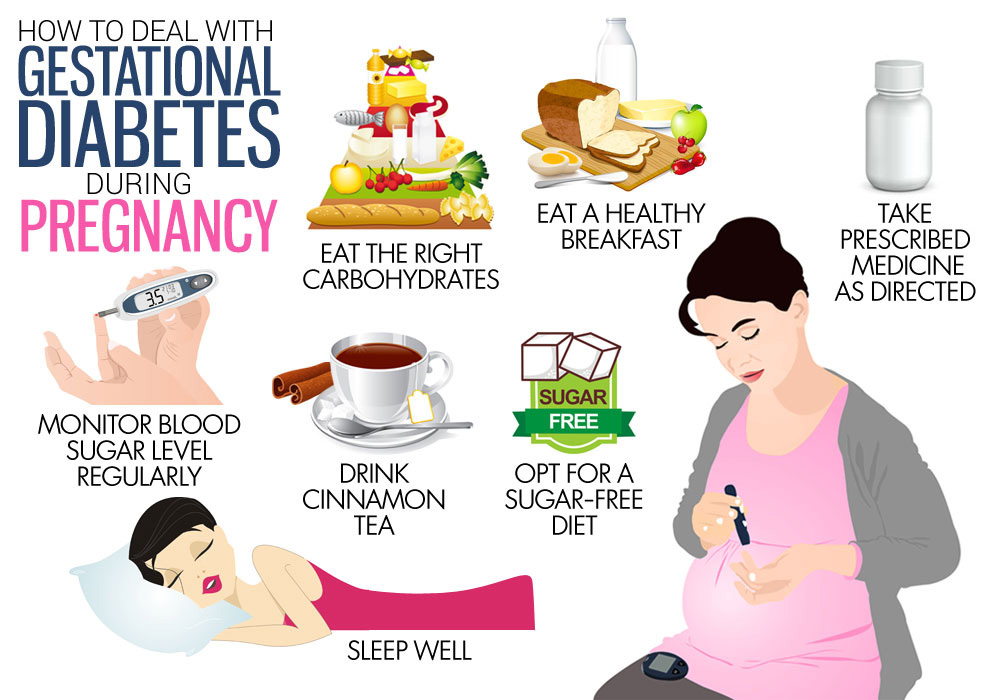
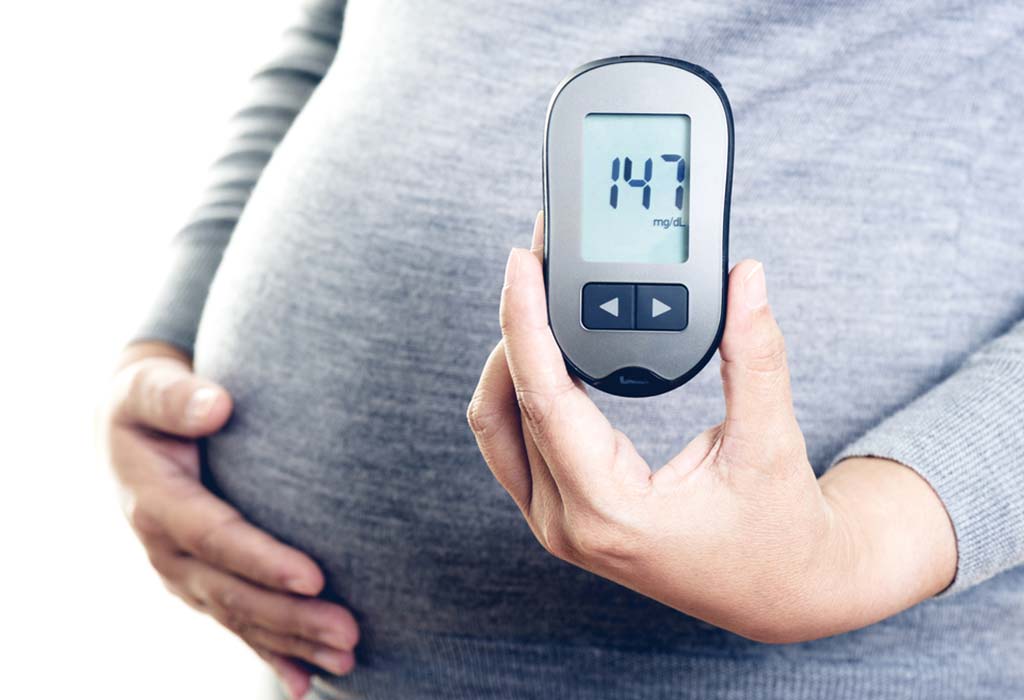
Gestational diabetes (GDM) is diagnosed when high blood glucose (sugar)
levels are found during pregnancy. It occurs due to hormonal changes in body
during a pregnancy, GDM testing usually done between 24-28th weeks
of pregnancy. Its temporary form of diabetes, it’s usually go away after the
delivery, but although you’re at high risk for developing type 2 diabetes later
in your life.
Prevalence of GDM in UAE:
According to World Health Organization (WHO) compressive report on
Diabetes shows there are now 422 million people with the condition worldwide.
Research has shown that around one in every third pregnant women in UAE
develops Gestational Diabetes.
GDM can be treated with the help of Diet & exercise.
Dietitians use a toolbox of knowledge, skills and
nutrition counseling techniques to assist women with making dietary and
lifestyle modifications. Effective nutrition interventions can assist in
normalizing blood glucose levels to prevent or delay the need for medication,
maximize nutrition to support the development of the fetus and minimize
complications throughout the pregnancy and during delivery.
It’s always recommended to visit a Dietitian
during Antenatal Session to get guide about eating healthy and prevent
Gestational Diabetes & un-necessary weight gain.
How does
gestational diabetes affect my baby and me?
Most women with gestational diabetes deliver
healthy babies. Problems may develop if you have gestational diabetes that is
not treated or uncontrolled. Gestational diabetes can cause you to have a large
baby. It also increases the risk of having a baby born with hypoglycemia (low
blood sugar). Respiratory distress, jaundice, and low calcium and magnesium
levels are also more common in babies whose mothers have gestational diabetes.
There’s a higher risk of your baby developing diabetes later in life as well.
Why is it
important to follow a special diet during pregnancy?
A healthy diet can help protect you and your baby
from gestational diabetes. For a pregnant woman, a normal diet consists of
2,200 to 2,500 calories per day. If you are overweight before you get pregnant,
you will need fewer calories than other women. It is important to pay attention
to what you eat and when you eat. The most
important part of treatment for gestational diabetes relates to food and your
eating pattern.
What foods
should you eat?
If you have gestational diabetes, maintaining a healthy,
balanced diet may help you manage your symptoms without needing medication.
Once you’re diagnosed, ask your doctor about
working with a Clinical dietitian.
Dietitian can help you to plan your meals and come up with an
eating plan that will keep you and your baby healthy.
Aim to base your meals around protein. Include lots of fresh foods
and limit your intake of carbohydrates and processed
foods. When you choose
foods, pay attention to four things: protein, carbohydrates, fiber, and fat.
If you
have gestational diabetes, only 40 to 50 percent of
your daily calories should come from carbohydrates. Try to get 20 to 25 percent
of your calories from protein. No more than 25 to 35 percent of your calories
should come from fat.
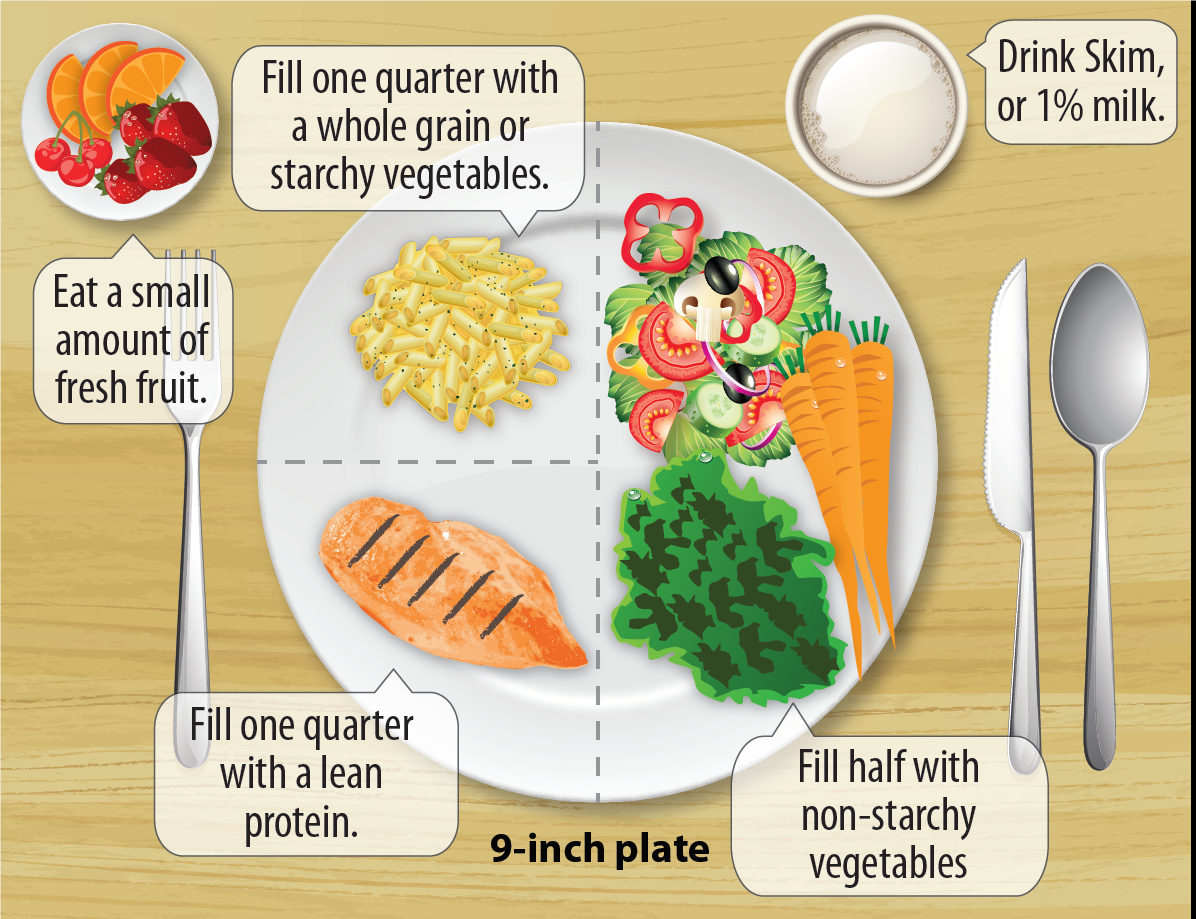
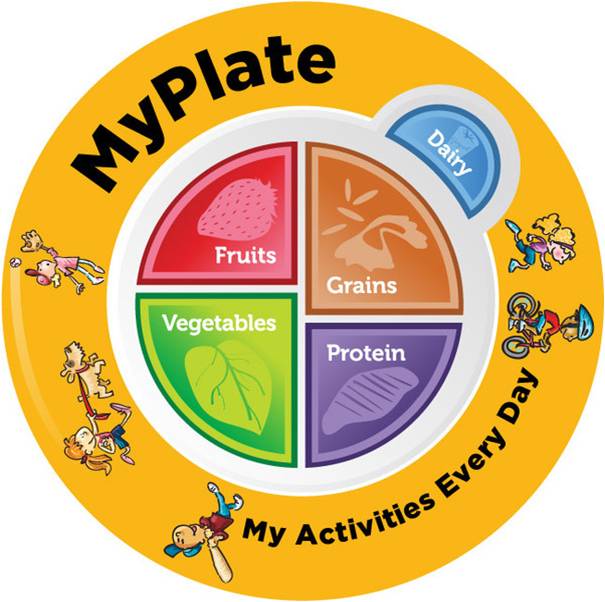
Follow My Plate Pattern during Gestational Diabetes
The
American Diabetes Association (ADA) has a helpful guide called My Plate to help you learn how to build a healthy
plate for each meal. For example, each meal should be 25 percent protein, 25
percent starch, and 50 percent non-starchy foods, such as vegetables or salad.
Protein is found in meat, dairy products (such as milk,
yogurt, cheese), fish, eggs, beans, and poultry. You should eat protein at
every meal.
Carbohydrates are the instant source of energy for our
body, and our mainly food consist of carbohydrates. There are two types of
carbs which we consume, Simple & Complex Carbs . Simple Carbs are those
which quickly digest in your body and raises your blood glucose levels and one
feel quickly hungry after consumption of simple carbs , example of simple carbs
are all your processed foods, White Bread, White Khubz, Potato , Banana, Mango,
all ready to drink juices, bakery items , chocolate , fizzy drinks . Complex
Carbs get digest or breakdown slowly in your body, it slowly release glucose in
your body and thus, its maintain your sugar level and one don’t feel hungry quickly.
The calories are same in both the types of carbohydrates the difference is of
their chemical composition as complex carbohydrates contain Fiber in them. Example
of Complex carbs which are called as non starchy foods are:, Bran Bread, Bran
khubz, Sweet potato, Brown rice, All the legumes, all green vegetables, Apple,
orange, avocado, dairy products
Fat is found in many foods. Fat is high in calories and low
in nutritional value, and it can make gestational diabetes harder to control.
You need some fat in your diet to help absorb certain vitamins—but don’t eat
too many fatty foods. Choose low-fat or nonfat foods.
What foods
should I avoid?
You should avoid potato chips, candy bars, doughnuts, and
similar snacks. Don’t drink regular (nondiet) soda, because it is high in
calories and sugar. In short avoid all foods which come under the category of
simple carbohydrates.
A must rule should be follow by everyone, read the
Nutritional label of the product before consuming and purchasing. Get to know
the Nutritional Value, composition of the food your taking.
Try not to eat the foods at fast-food restaurants. Most fast
foods are high in fat and low in nutritional value. If you must eat “on the
run,” choose healthy foods like salads or grilled chicken sandwiches. If you
eat high-fat food, eat it only once or twice a week.
When should
I eat?
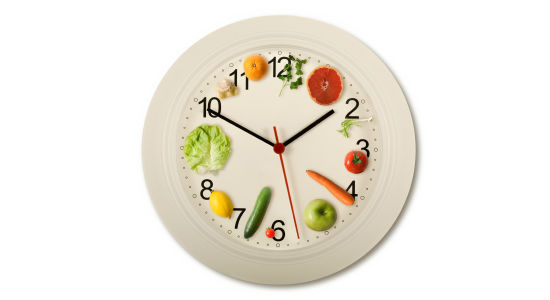
It is important to eat at the same times every day. For
example, you could eat breakfast between 7:00 – 8:00am, lunch at noon (between
1-2 pm), and dinner should be three
hours before you got to bed, like 7:00pm , but divide your big three meals into
small six meals. Do take snacks in between your three big meals, like 10:00am,
4:00pm, and before sleeping 9:30pm. Regular eating times will keep your blood
sugar level stable. Eat every two
hours. To regulate your blood sugar levels, never skip meals and aim to eat a
healthy snack or meal every two hours. Skipping meals can cause your blood
sugar levels to fluctuate and make it harder to get them back under control.
In addition to maintaining a well-balanced
diet, there are other things you can do to have a healthy pregnancy,
Exercise regularly, like brisk walking, drink a lot of water, and take your
prenatal vitamins regularly, in order to have Healthy and Safe Pregnancy.
In Antenatal Care , a visit to a Registered Dietitian is very important , in order to get information regarding Nutrition during Pregnancy.
















































 Dietify with Javeria