
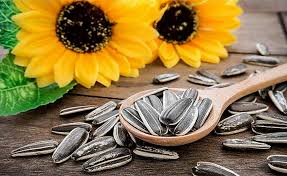
Sunflower seeds are popular in trail mix, multi-grain bread and nutrition bars, as well as for snacking straight from the bag.
They’re rich in healthy fats, beneficial plant compounds and several vitamins and minerals.
These nutrients may play a role in reducing your risk of common health problems, including heart disease and type 2 diabetes.
Here’s everything you need to know about sunflower seeds, including their nutrition, benefits and how to eat them.
What Are Sunflower Seeds?
Sunflower seeds are technically the fruits of the sunflower plant (Helianthus annuus)
Sunflower seeds have a mild, nutty flavor and a firm but tender texture. They’re often roasted to enhance the flavor, though you can also buy them raw.
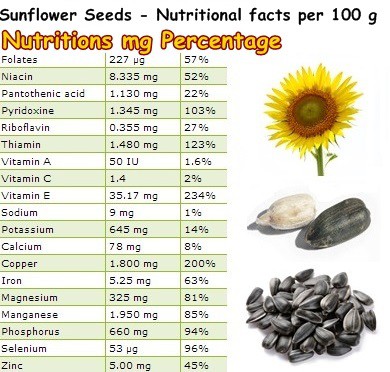
Nutritional Value
Sunflowers pack many nutrients into a tiny seed.
Sunflower seeds are especially high in vitamin E and selenium. These function as antioxidants to protect your body’s cells against free radical damage, which plays a role in several chronic diseases.
Additionally, sunflower seeds are a good source of beneficial plant compounds, including phenolic acids and flavonoids — which also function as antioxidants.
HEALTH BENEFITS
Sunflower seeds may help lower blood pressure, cholesterol and blood sugar as they contain vitamin E, magnesium, protein, linoleic fatty acids and several plant compounds .
Heart Disease
High blood pressure is a major risk factor for heart disease, which can lead to heart attack or stroke
Additionally, sunflower seeds are rich in unsaturated fatty acids, especially linoleic acid. Your body uses linoleic acid to make a hormone-like compound that relaxes blood vessels, promoting lower blood pressure. This fatty acid also helps lower cholesterol.
In a 3-week study, women with type 2 diabetes who ate 1 ounce (30 grams) of sunflower seeds daily as part of a balanced diet experienced a 5% drop in systolic blood pressure (the top number of a reading)
Diabetes
The effects of sunflower seeds on blood sugar and type 2 diabetes have been tested in a few studies and seem promising, but more research is needed .
Studies suggest that people who eat 1 ounce (30 grams) of sunflower seeds daily as part of a healthy diet may reduce fasting blood sugar by about 10% within six months, compared to a healthy diet alone .
The blood-sugar-lowering effect of sunflower seeds may partially be due to the plant compound chlorogenic acid .
Studies also suggest that adding sunflower seeds to foods like bread may help decrease carbs’ effect on your blood sugar. The seeds’ protein and fat slow the rate at which your stomach empties, allowing a more gradual release of sugar from carbs .
Potential Downsides
While sunflower seeds are healthy, they have several potential downsides.
Calories and Sodium
Though rich in nutrients, sunflower seeds are relatively high in calories.
Eating the seeds in the shell is a simple way to slow your eating pace and calorie intake while snacking, as it takes time to crack open and spit out each shell.
However, if you’re watching your salt intake, keep in mind that the shells — which people commonly suck on before cracking them open — are often coated with more than 2,500 mg of sodium — 108% of the RDI — per 1/4 cup (30 grams) .
Sodium content may not be apparent if the label only provides nutrition information for the edible portion — the kernels inside the shells. Some brands sell reduced-sodium versions. So always go for unsalted seeds
Cadmium
Another reason to eat sunflower seeds in moderation is their cadmium content. This heavy metal can harm your kidneys if you’re exposed to high amounts over a long period
Sunflowers tend to take up cadmium from the soil and deposit it in their seeds, so they contain somewhat higher amounts than most other foods .
The WHO advises a weekly limit of 490 micrograms (mcg) of cadmium for a 154-pound (70-kg) adult .
Stool Blockages
Eating a large number of sunflower seeds at once has occasionally resulted in fecal impaction — or stool blockages — in both children and adults .
Eating sunflower seeds in the shell may increase your odds of fecal impaction, as you may unintentionally eat shell fragments, which your body cannot digest.
An impaction may leave you unable to have a bowel movement. Your doctor may need to remove the blockage while you’re under general anesthesia.
Besides being constipated due to the fecal impaction, you may leak liquid stool around the blockage and have abdominal pain and nausea, among other symptoms.
Tips for Eating
Sunflower seeds are sold either in the shell or as shelled kernels.
Those still in the shell are commonly eaten by cracking them with your teeth, then spitting out the shell — which shouldn’t be eaten. These seeds are a particularly popular snack at baseball games and other outdoor sports games.
Shelled sunflower seeds are more versatile. Here are various ways you can eat them:
- Add to trail mix.
- Stir into homemade granola bars.
- Sprinkle on a leafy green salad.
- Stir into hot or cold cereal.
- Sprinkle over fruit or yogurt parfaits.
- Add to stir-fries.
- Stir into tuna or chicken salad.
- Sprinkle over sautéed vegetables.
- Add to veggie burgers.
- Use in place of pine nuts in pesto.
- Top casseroles.
- Grind the seeds and use as a coating for fish.
- Add to baked goods, such as breads and muffins.
- Dip an apple or banana in sunflower seed butter.
Lastly, sunflower seeds are prone to becoming rancid due to their high fat content. Store them in an airtight container in your refrigerator or freezer to protect against rancidity.
The Bottom Line
Sunflower seeds make for a nutty, crunchy snack and a tasty addition to countless dishes.
They pack various nutrients and plant compounds that may help fight inflammation, heart disease and type 2 diabetes.
#healthy #nutrition #vitamins #minerals #snack #goodfats
 Dietify with Javeria