
THE STATISTICS
•64.5% of adults over the age of 20 are overweight or obese
•Over 50% of meals are eaten out
•Half of the moneys spent on food is spent on fast food or convenient foods
RISK FACTORS
Associated with Heart Disease

1.Genetics
2.Weight •Overweight •Obese
3.Smoking
4.Diet
5.Inactivity
WHAT IS CARDIAC DIET
•A cardiac Diet is a diet meant to prevent or Treat cardiovascular disease.
•There are Three main Goals of the Cardiac Diet:
1.Lower Blood Cholesterol Levels
2.Lower Blood Pressure
3.Reduce Body Weight
MACRO NUTRIENTS
•CARBOHYDRATES
• PROTEIN
•FAT : FOCUS ON FATS
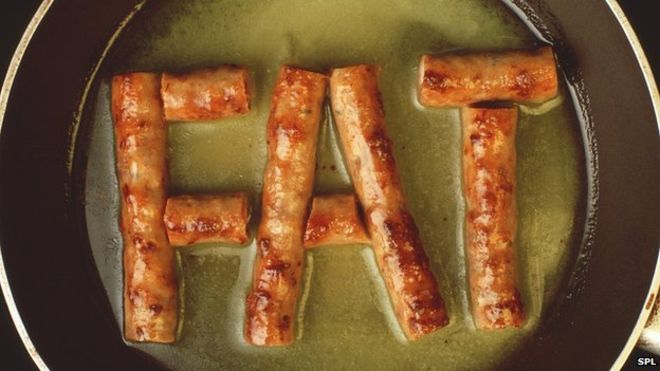
What is Fat?
•Fats or lipids have many important roles
•They transport nutrients and help play a key role in normal development and growth
• Fat can be associated with certain health risks
Saturated Fat
•Found mainly in animal sources
•Meats, chicken, eggs, and pork with coconut and palm kernel oil
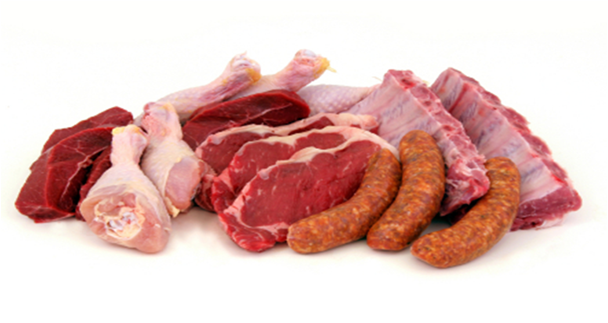
• Solid at room temperature
•70% of the fat we eat is hidden in foods
Saturated Fat and Cholesterol
•Saturated fat may affect your cholesterol and increase your risk for heart disease
•LDL Cholesterol
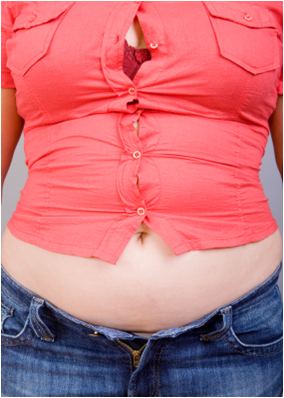
•This may lead to high blood pressure, plaque build-up and other related problems
Unsaturated Fat
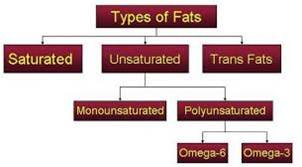
•Two Types:
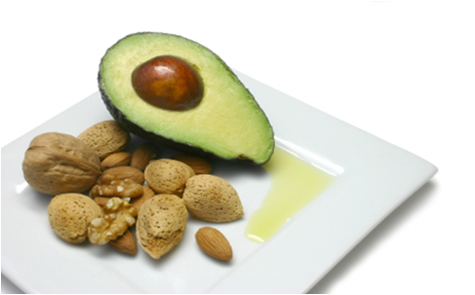
– Monounsaturated
– Polyunsaturated
• Good or healthy fats that may help lower bad (LDL) cholesterol and raise good cholesterol (HDL)
Eliminate Trans Fatty Acids
•Trans fatty acids are found in some foods naturally but most come from processed foods
•Trans fats may increase your blood cholesterol level by raising your LDL and reducing your HDL Cholesterol Trans Fatty Foods:
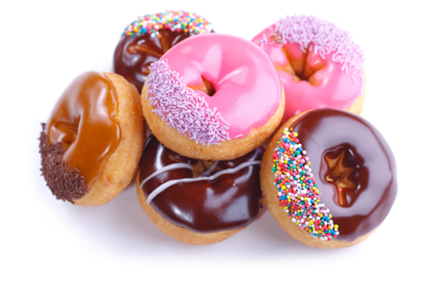
•Margarine •Cookies •Crackers •Some fast food items
TYPE OF FATS
• Monounsaturated Fats:
have these in small amounts as they can help to maintain healthy cholesterol levels.
Found In:
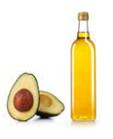
Avocados, olives, olive oil, rapeseed oil. Almonds, cashews, hazelnuts, peanuts, pistachios and spreads made from these nuts
•Polyunsaturated :
Have these in small amounts , it help to maintain healthy cholesterol levels+ provide essential fatty acids
Found In :
Oily fish, corn oil, sesame oil, soya oil, flaxseed, pine nuts, sesame seeds, sunflower seeds & walnuts
Saturated Fat :
Swap these for unsaturated fats. Eating too much saturated fats increase the amount of cholesterol in your blood.
Found In :
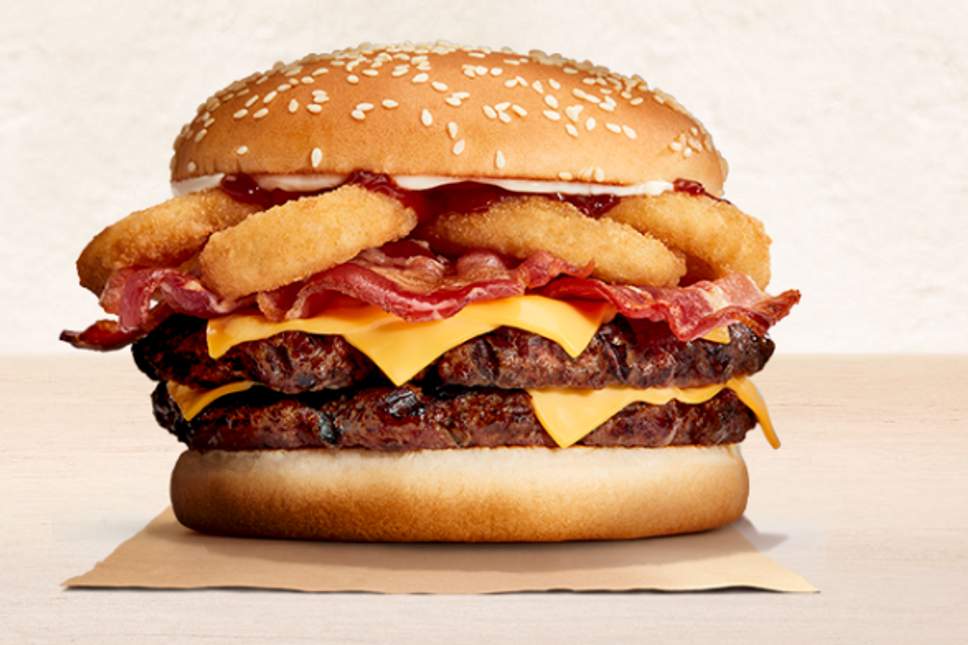
Processed meats like sausages, ham, burgers. Fatty meat, hard cheeses including cheddar. Whole milk , cream, butter, ghee, palm oil and coconut oil.
Trans Fats :
Avoid wherever possible. They can increase cholesterol in your blood. Foods with hydrogenated oils and fats in them contain trans fats
Found In :
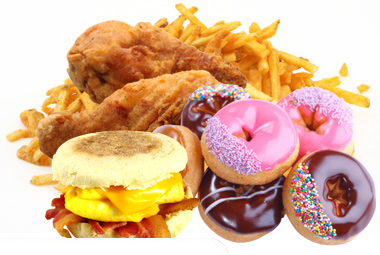
Fried foods, snacks like biscuits , cakes / pastries, hard margarines.
“The Steps”
For a Heart Healthy Lifestyle
1.Eat less •Cholesterol •Saturated fat •Trans fat •Sodium
2.Eat more •Fiber •Soy-based products

3.Reduce your weight
4.Increase physical activity level
5.Learn to •Shop smart •Cook smart •Dine out more healthy
“Lowering Cholesterol & LDL Levels”
•Eat less fat. •Avoid fried foods, fatty meats, & whole milk products.
•Eat less cholesterol. •Cholesterol is found only in foods from animals (foods from plants contain no cholesterol).
•Eat less saturated fat. •Saturated fats are usually found in animal products. •However you should avoid coconut, palm, and palm kernel oil as they are high in saturated fat.
“Lowering Triglycerides “
•Avoid Alcohol. •Beer, wine, or hard liquor.

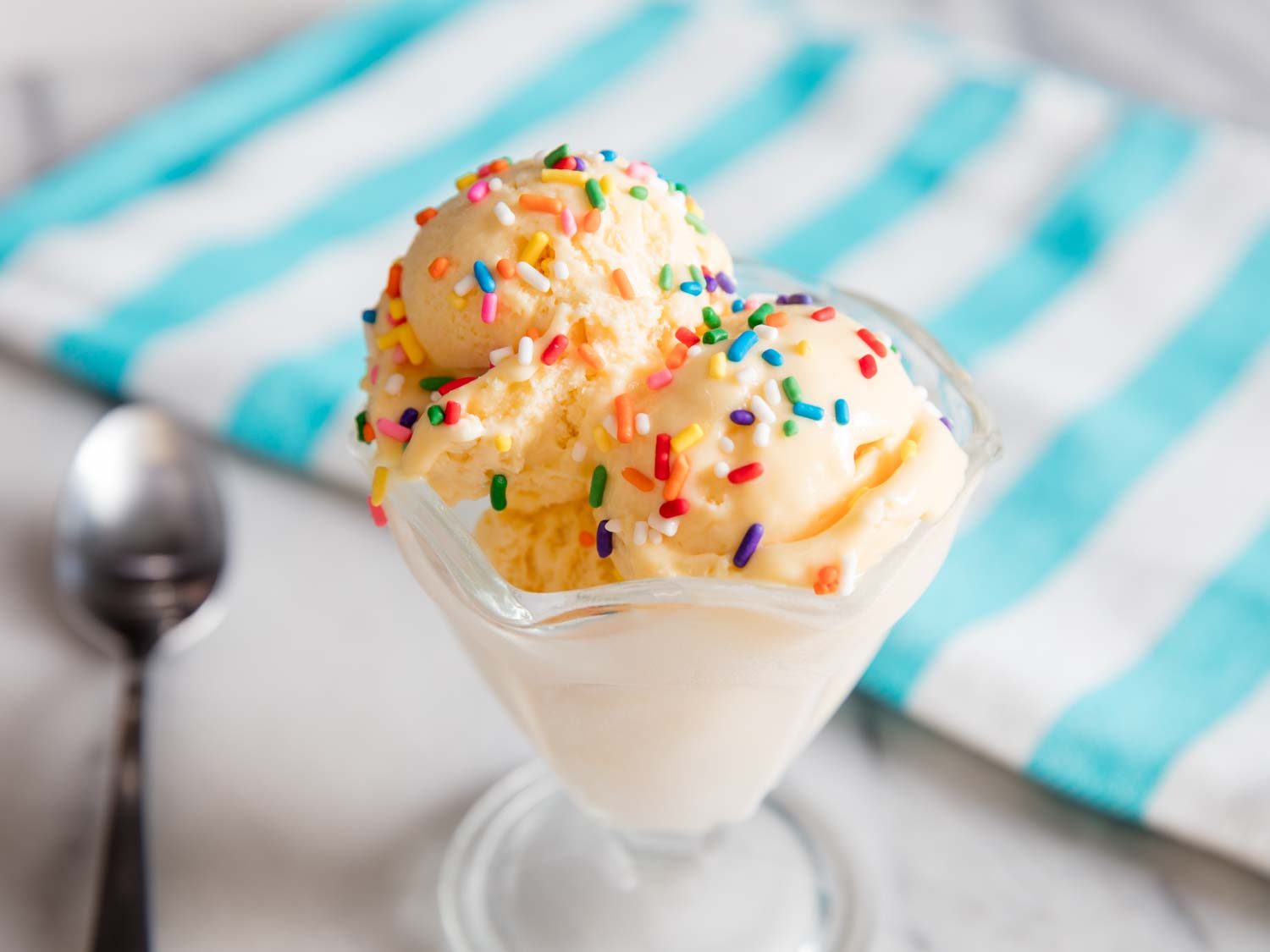
•Avoid Sugar. •Candy & regular soda.
•Eat Fewer Carbohydrates. •Breads, cereals, rice, pasta, fruits, & dairy products.
Decrease Sodium (Salt) Intake

•Eating a diet high in sodium (salt) can increase blood pressure. •Canned foods, dried meats or fish, packaged foods, frozen meals, lunch meats, salad dressings, marinades, and any salted food item (i.e. pretzels)
•Having a normal blood pressure reduces the risk of heart disease.
“Increase Soluble Fiber Intake”

•The type of fiber found in oats, barley, dry beans & peas, fruits & vegetables may help to lower cholesterol levels.
•Choose 5 or more servings of vegetables & fruits/day.
•Choose 6 or more servings of whole grain breads, cereals, pasta, rice, & dry beans/day.
“Reduce Your Weight”
•If you are overweight or obese, a 10% reduction in BWT may help to…
•Lower Blood pressure •Lower Cholesterol level •Lower Triglyceride level •Lower Blood Sugar Levels •Improve overall health •Lower risk of heart disease
“Increase Physical Activity & Raise HDL level”

•Regular physical activity : Reduces your risk of heart disease •Aids in weight loss
•How do you do it? : Begin slowly. •Choose an activity you like. •Meet with an exercise professional. •Goal: at least 30 minutes or more of moderate activity, most days of the week.
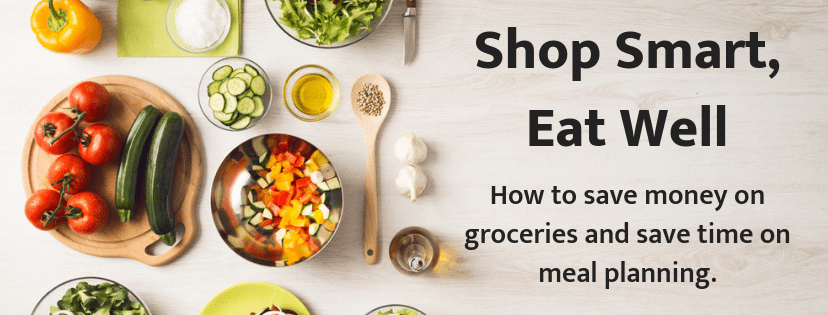
“Shop Smart”
1.Shop the “outside” aisles of the grocery store, they contain healthier food choices.
● 2.Avoid the middle aisles, they contained processed/high calorie products.
3.Choose fresh fruits, vegetables, milk, breads, and meats.
● 4.Read food labels.
Food Labels
“The Healthy Eater’s Guide”
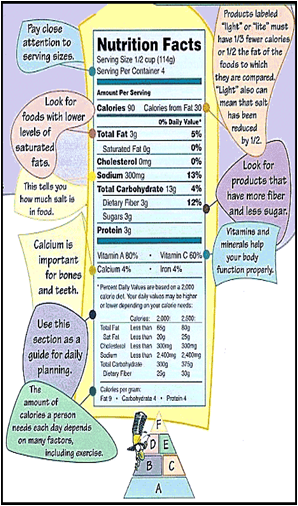
•Indicate portion size •Servings per container •Amount of Calories/serving •Amount of CHO/serving •Amount of Fat/serving •Amount of Saturated Fat/serving •Amount of Trans Fat/serving •Amount of Cholesterol/serving •Amount of Sugar/serving •Amount of Sodium/serving •Amount of Fiber/serving •Amount of Protein/serving •Amount of Vit & Min/serving
“Cook Smart”
1.Sauté vegetables in a non-stick pan.
2.Use non-stick spray or broth instead of butter or oil.
3.Use egg whites or cholesterol-free egg substitutes to replace eggs.
4.Use skim milk to replace whole or 2% milk.
5.Use unsaturated oils and liquid margarine to replace butter.
6.Use herbs, spices, flavored vinegars, lemon juice, or fat-free/salt-free condiments to add flavor to foods.
“Dine Out Smart”
1.Split an entrée, or eat half and take the rest home. ●
2.Order baked, broiled, or grilled food. ●
3.Avoid breaded, fried, or creamed foods. ●
4.Ask for gravy, sauce, butter, and salad dressing on the side. ●
5.Limit fast food to 1x/week.

THE DASH DIET
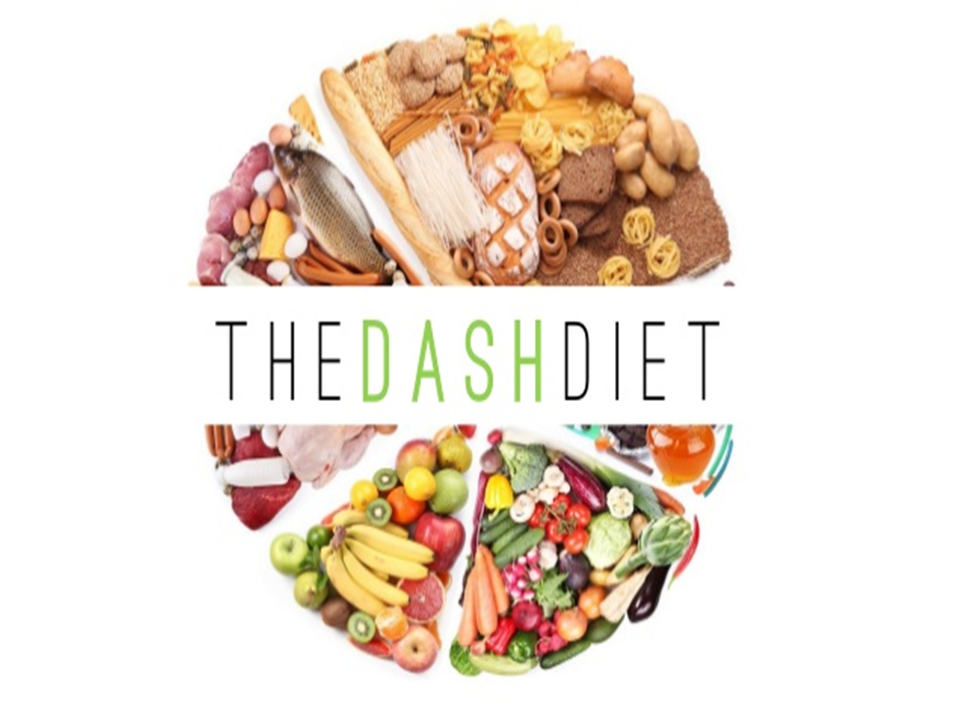
TheDASHdietemphasizesportionsize,eating a variety of foods and getting the right amount of nutrients. •TheDASHdietisalifelongapproachtohealthyeatingthat’sdesignedtohelptreatorpreventhighbloodpressure(hypertension).
•The DASH diet include lots of whole grains,fruits,vegetables and low-fat dairy products
•The DASH diet also includes some fish ,poultry and legumes .You can eat red meat ,sweets and fats in small amounts
•The DASH diet is low in saturated fat ,cholesterol and total fat

 Dietify with Javeria