

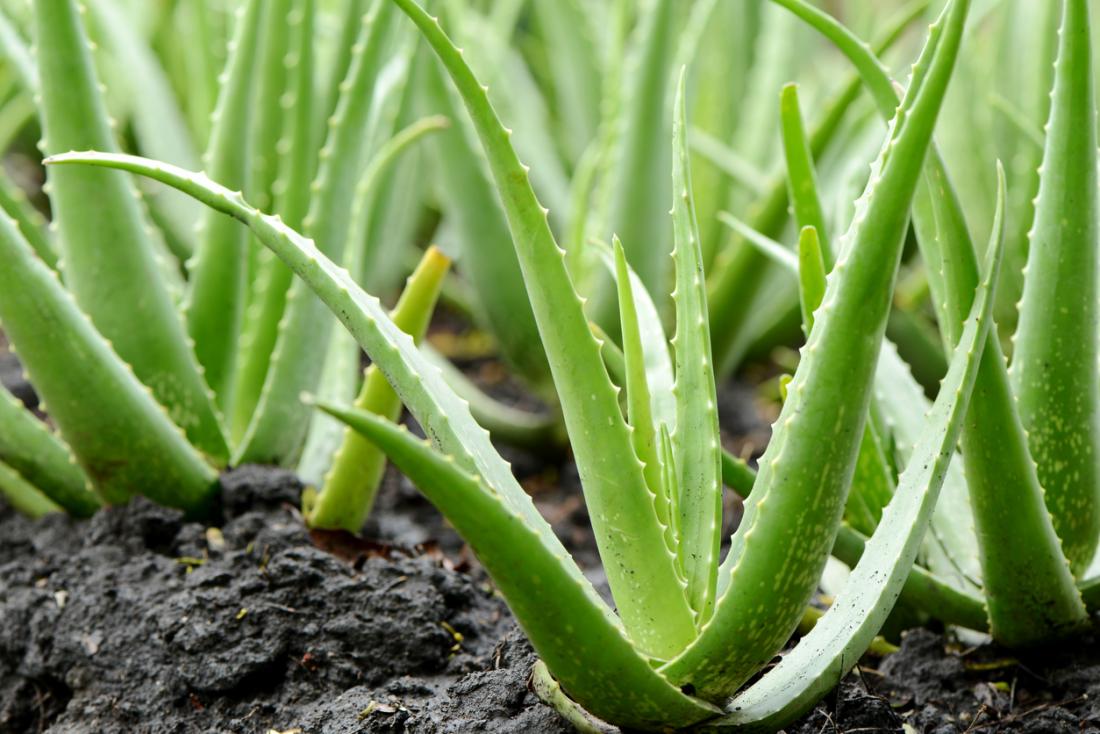
According to Kew Gardens, England’s royal botanical center of excellence, Aloe vera has been used for centuries and is currently more popular than ever.
It is cultivated worldwide, primarily as a crop for “Aloe gel,” which comes from the leaf.
Aloe vera is widely used today in:
- Food – it is approved by the FDA as a flavoring.
- Cosmetics.
- Food supplements.
- Herbal remedies.
HEALTH BENEFITS OF ALOE VERA
1. Teeth and gums
A study published in General Dentistry reported that Aloe vera in tooth gels is as effective as toothpaste in fighting cavities.
The researchers compared the germ-fighting ability of an Aloe vera tooth gel with two popular toothpastes. They found that the gel was just as good, and in some cases even better than the commercial toothpastes at controlling cavity-causing oral bacteria.
The scientists warned that not all gels they analyzed contained the proper form of Aloe vera – they must contain the stabilized gel that exists in the center of the plant to be effective.
2. Constipation
Germany’s regulatory agency for herbs – Commission E – approved the use of Aloe vera for the treatment of constipation. Dosages of 50-200 milligrams of Aloe latex are commonly taken in liquid or capsule form once daily for up to 10 days.
The U.S. Food and Drug Administration (FDA) ruled in 2002 that there is not enough data on the safety and efficacy of Aloe products; so, in the U.S., they cannot be sold to treat constipation.
3. Diabetes-induced foot ulcers
A study carried out at the Sinhgad College of Pharmacy, India, and published in the International Wound Journal looked at Aloe’s ability to treat ulcers.
They reported that a “gel formed with carbopol 974p (1 percent) and Aloe vera promotes significant wound healing and closure in diabetic rats compared with the commercial product and provides a promising product to be used in diabetes-induced foot ulcers.”
4. Antioxidant and possible antimicrobial properties
Researchers at the University of Las Palmas de Gran Canaria, Spain, published a study in the journal Molecules.
The team set out to determine whether the methanol extract of leaf skins and flowers of Aloe vera might have beneficial effects on human health. The scientists focused on the extract’s possible antioxidant and antimycoplasmic activities.
Mycoplasma is a type of bacteria that lack a cell wall; they are unaffected by many common antibiotics. Antimycoplasmic substances destroy these bacteria.
They reported that both Aloe vera flower and leaf extracts had antioxidant properties, especially the leaf skin extract. The leaf skin extract also exhibited antimycoplasmic properties.
The authors concluded that “A. Vera extracts from leaf skin and flowers can be considered as good natural antioxidant sources.”
8. Wounds from second-degree burns
A team of plastic surgeons compared Aloe vera gel to 1 percent silver sulphadiazine cream for the treatment of second-degree burn wounds.
They reported in the Journal of Pakistan Medical Association that the burn wounds among the patients treated with Aloe vera healed significantly quicker compared with those treated with 1 percent silver sulfadiazine (SSD).
The researchers added that those in the Aloe vera group experienced significantly more and earlier pain relief than those in the SSD group.
HOW WE CAN EAT ALOE VERA ?
Aloe vera leaves are comprised of three parts: the skin, the gel and the latex. They’re best known for their gel, which is responsible for most of its health benefits.
While most people apply the gel to their skin, it’s also safe to eat when prepared right.
Aloe vera gel has a clean, refreshing taste and can be added to a variety of recipes, including smoothies and salsas.
To prepare the gel, cut off the spiky edges on the top and alongside the aloe vera leaf. Next, slice off the skin on the flat side, remove the clear gel and dice it into small cubes.
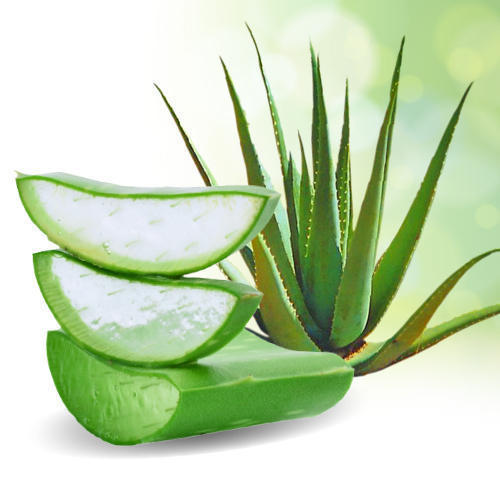
Make sure to wash the gel cubes thoroughly to remove all traces of dirt, debris and residue. Latex residue can give the gel an unpleasant bitter taste.
It’s very important to choose leaves from the aloe vera plant and not from other aloe species, as these may be poisonous and therefore unfit for human consumption.
Potential Benefits of Eating Aloe Vera
- May reduce blood sugar levels
- May suppress inflammatory signals
- Reduce dental plaque
- May boost memory
- Rich in antioxidants
RECIPES IN WHICH YOU USE ALOE VERA
So as discussed above, Aloe vera is safe to eat, so here are some food ideas in which aloe vera can eaten .
- You can prepare Aloe vera juice/ cocktail , can mix with lime , mint extract to make it more tastier

2. Aloe Vera can be added up in some salads, mixed up with salad dressings
3. Aloe vera can be cooked in Traditional Asian recipe as Aloe Vera Curry .

4. Aloe Vera Gel can be used as natural gelatin in making Jellies , pudding , aloe vera popsicles etc.


5. Aloe vera can be added up in making of puddings and sweets .
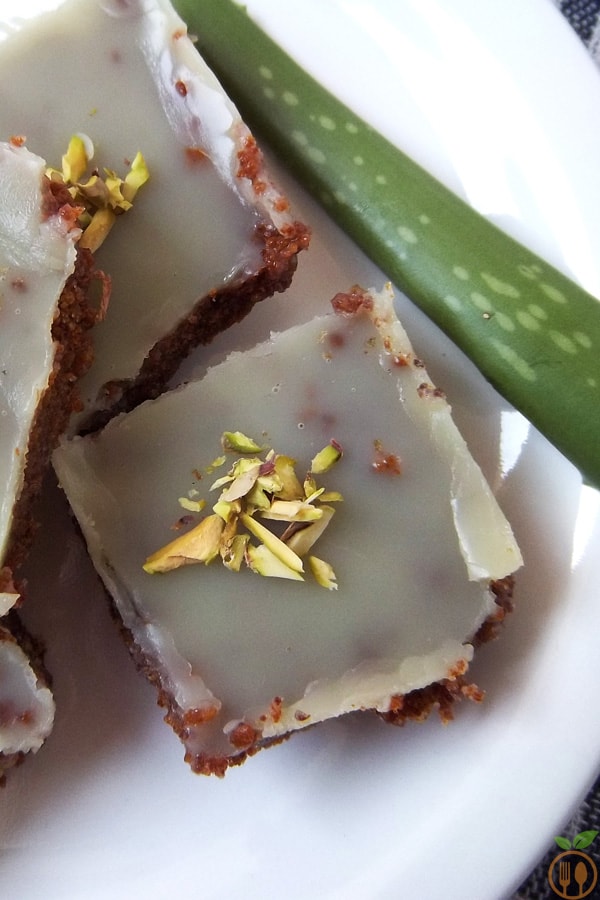
A dessert that has benefits for the digestive and immune systems and is actually good for you? Count us in! Blended with milk, the aloe in this cake tastes nothing like it’s raw, bitter version.
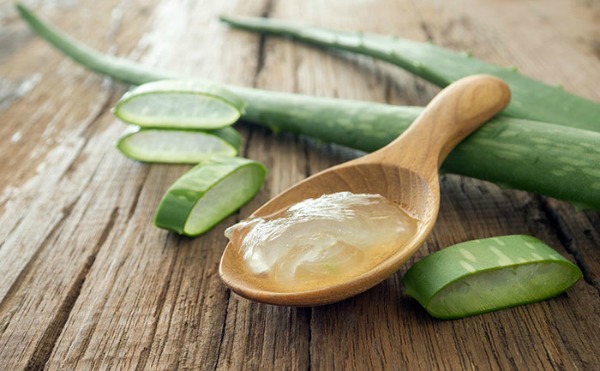
Aloe vera gel and skin can be eaten. The gel, in particular, may offer several health benefits.
Be sure to wash the gel or skin thoroughly to remove all traces of latex, which has an unpleasant bitter taste and may cause harmful side effects.
Never eat aloe vera skin care products. They do not offer the same benefits as the leaf and are not meant to be ingested.
In addition, aloe vera is rich in nutrients with more than 75 potentially active compounds, including vitamins, minerals, enzymes, amino acids, fatty acids and polysaccharides.
THE NEW TRADITION IS A GOOD NUTRITION !
 Dietify with Javeria