

Gestational diabetes (GDM) is diagnosed when high blood glucose (sugar) levels are found during pregnancy. It occurs due to hormonal changes in body during a pregnancy, GDM testing usually done between 24-28th weeks of pregnancy. Its temporary form of diabetes, it’s usually go away after the delivery, but although you’re at high risk for developing type 2 diabetes later in your life.
Prevalence of GDM in UAE:
According to World Health Organization (WHO) compressive report on Diabetes shows there are now 422 million people with the condition worldwide. Research has shown that around one in every third pregnant women in UAE develops Gestational Diabetes.
GDM can be treated with the help of Diet & exercise.
Dietitians use a toolbox of knowledge, skills and nutrition counseling techniques to assist women with making dietary and lifestyle modifications. Effective nutrition interventions can assist in normalizing blood glucose levels to prevent or delay the need for medication, maximize nutrition to support the development of the fetus and minimize complications throughout the pregnancy and during delivery.
It’s always recommended to visit a Dietitian during Antenatal Session to get guide about eating healthy and prevent Gestational Diabetes & un-necessary weight gain.
How does gestational diabetes affect my baby and me?
Most women with gestational diabetes deliver healthy babies. Problems may develop if you have gestational diabetes that is not treated or uncontrolled. Gestational diabetes can cause you to have a large baby. It also increases the risk of having a baby born with hypoglycemia (low blood sugar). Respiratory distress, jaundice, and low calcium and magnesium levels are also more common in babies whose mothers have gestational diabetes. There’s a higher risk of your baby developing diabetes later in life as well.
Why is it important to follow a special diet during pregnancy?
A healthy diet can help protect you and your baby from gestational diabetes. For a pregnant woman, a normal diet consists of 2,200 to 2,500 calories per day. If you are overweight before you get pregnant, you will need fewer calories than other women. It is important to pay attention to what you eat and when you eat. The most important part of treatment for gestational diabetes relates to food and your eating pattern.
What foods should you eat?
If you have gestational diabetes, maintaining a healthy, balanced diet may help you manage your symptoms without needing medication. Once you’re diagnosed, ask your doctor about working with a Clinical dietitian.
Dietitian can help you to plan your meals and come up with an eating plan that will keep you and your baby healthy.
Aim to base your meals around protein. Include lots of fresh foods and limit your intake of carbohydrates and processed foods. When you choose foods, pay attention to four things: protein, carbohydrates, fiber, and fat.
If you have gestational diabetes, only 40 to 50 percent of your daily calories should come from carbohydrates. Try to get 20 to 25 percent of your calories from protein. No more than 25 to 35 percent of your calories should come from fat.

The American Diabetes Association (ADA) has a helpful guide called My Plate to help you learn how to build a healthy plate for each meal. For example, each meal should be 25 percent protein, 25 percent starch, and 50 percent non-starchy foods, such as vegetables or salad.
Protein is found in meat, dairy products (such as milk, yogurt, cheese), fish, eggs, beans, and poultry. You should eat protein at every meal.
Carbohydrates are the instant source of energy for our body, and our mainly food consist of carbohydrates. There are two types of carbs which we consume, Simple & Complex Carbs . Simple Carbs are those which quickly digest in your body and raises your blood glucose levels and one feel quickly hungry after consumption of simple carbs , example of simple carbs are all your processed foods, White Bread, White Khubz, Potato , Banana, Mango, all ready to drink juices, bakery items , chocolate , fizzy drinks . Complex Carbs get digest or breakdown slowly in your body, it slowly release glucose in your body and thus, its maintain your sugar level and one don’t feel hungry quickly. The calories are same in both the types of carbohydrates the difference is of their chemical composition as complex carbohydrates contain Fiber in them. Example of Complex carbs which are called as non starchy foods are:, Bran Bread, Bran khubz, Sweet potato, Brown rice, All the legumes, all green vegetables, Apple, orange, avocado, dairy products
Fat is found in many foods. Fat is high in calories and low in nutritional value, and it can make gestational diabetes harder to control. You need some fat in your diet to help absorb certain vitamins—but don’t eat too many fatty foods. Choose low-fat or nonfat foods.
What foods should I avoid?
You should avoid potato chips, candy bars, doughnuts, and similar snacks. Don’t drink regular (nondiet) soda, because it is high in calories and sugar. In short avoid all foods which come under the category of simple carbohydrates.
A must rule should be follow by everyone, read the Nutritional label of the product before consuming and purchasing. Get to know the Nutritional Value, composition of the food your taking.
Try not to eat the foods at fast-food restaurants. Most fast foods are high in fat and low in nutritional value. If you must eat “on the run,” choose healthy foods like salads or grilled chicken sandwiches. If you eat high-fat food, eat it only once or twice a week.
When should I eat?
It is important to eat at the same times every day. For example, you could eat breakfast between 7:00 – 8:00am, lunch at noon (between 1-2 pm), and dinner should be three hours before you got to bed, like 7:00pm , but divide your big three meals into small six meals. Do take snacks in between your three big meals, like 10:00am, 4:00pm, and before sleeping 9:30pm. Regular eating times will keep your blood sugar level stable. Eat every two hours. To regulate your blood sugar levels, never skip meals and aim to eat a healthy snack or meal every two hours. Skipping meals can cause your blood sugar levels to fluctuate and make it harder to get them back under control.
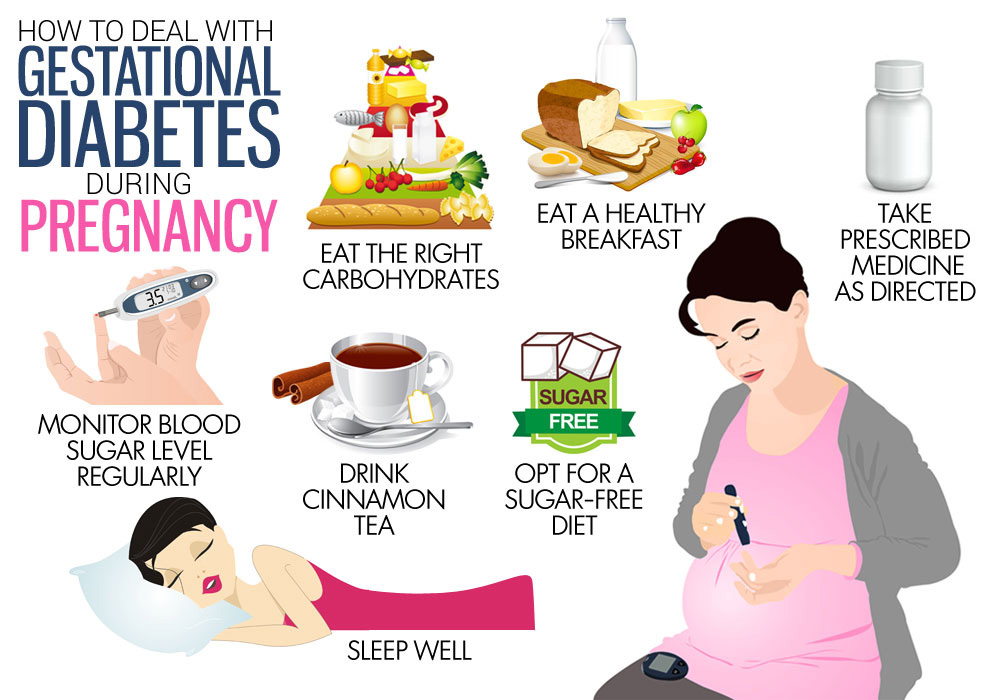
In addition to maintaining a well-balanced diet, there are other things you can do to have a healthy pregnancy, Exercise regularly, like brisk walking, drink a lot of water, and take your prenatal vitamins regularly, in order to have Healthy and Safe Pregnancy.
 Dietify with Javeria