STEPs TO HEALTHY LIFESTYLE

OUTLINE

1. What is a healthy diet?

2. How do we stay healthy?

3. What are the healthy food?

4. What are the strategies for a healthy eating?

5. What is healthy diet pyramid/ My Plate?

6. How do we eat smartly?

7. How does healthy living contribute our lives?

Improve Health
Increase Happiness
Prevention of Many Chronic Health risks
Steps Towards Healthy Living
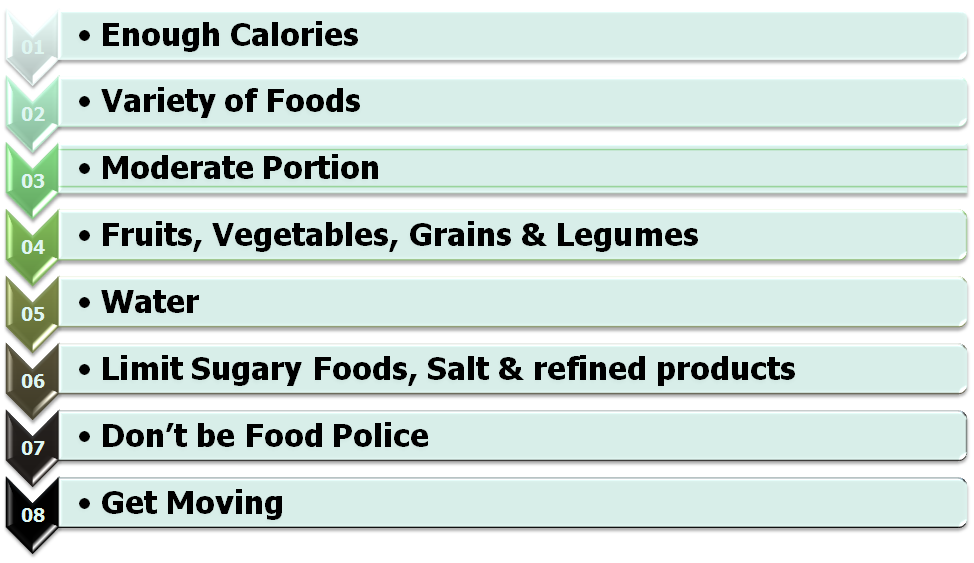
1. EAT ENOUGH CALORIES
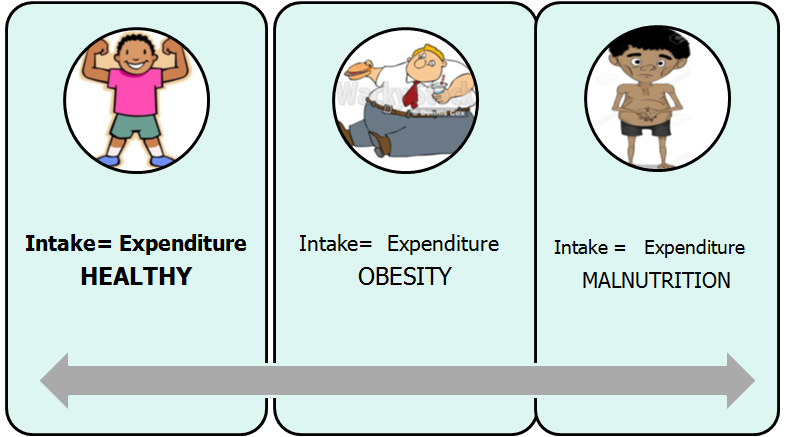
Intake should always equal to how much your expenditure your energy / calories

2. Eat variety of Foods

*Add foods in your diet that you do not normally eat
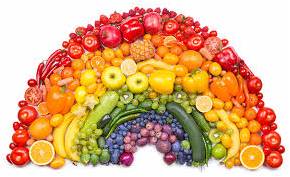
*Add Rainbow to your Diet

3. Keep Portions Moderate
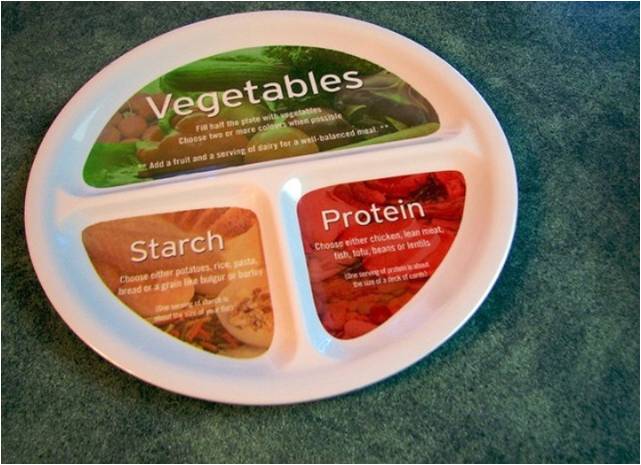
Moderation is a key to Success


1. When Dining Out – Choose Starter instead of Entrée
2. Serve your meals in Smaller Plates / Bowels
3. When you’re eating a meal, stop when you’re satisfied, not when you’re full.

4. EAT PLENTY OF FRUITS, VEGETABLES GRAINS, and LEGUMES

Foods high in complex carbohydrates, fiber, vitamin, and minerals, low in fat, and free of cholesterol.

Try to get fresh, local produce.

Replace High Caloric Foods with Low Caloric Foods

5. DRINK MORE WATER
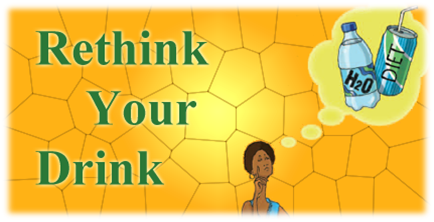
6. LIMIT SUGARY FOODS, SALT, and REFINED-GRAINS PRODUCTS
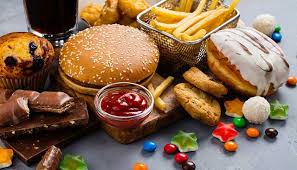
Refined Starches, limit the consumption of refined starchy foods.
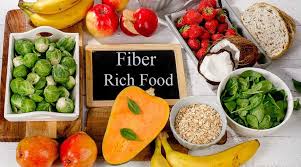
Consume more foods high in Fiber

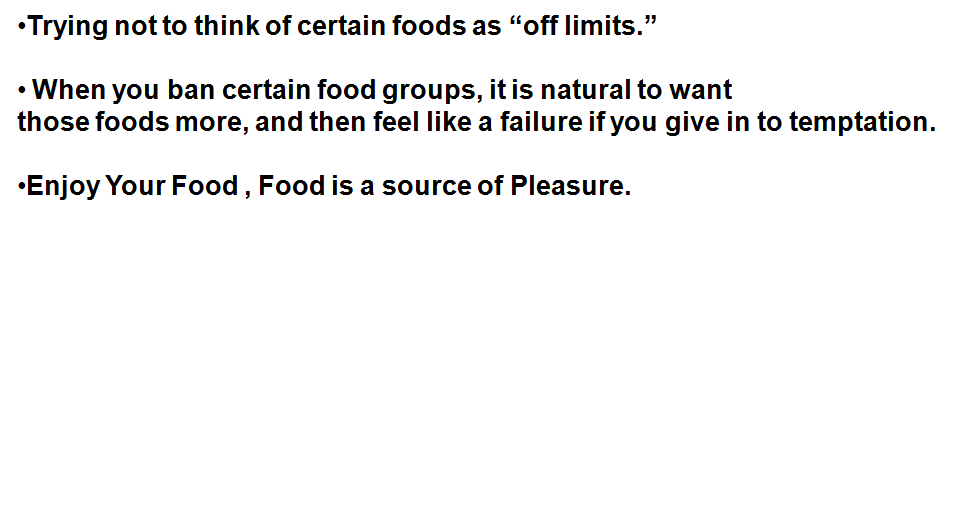
7. DON’T BE THE FOOD POLICE

FOOD POLICE

8. GET MOVING

Getting regular exercise is another wonderful way to keep your
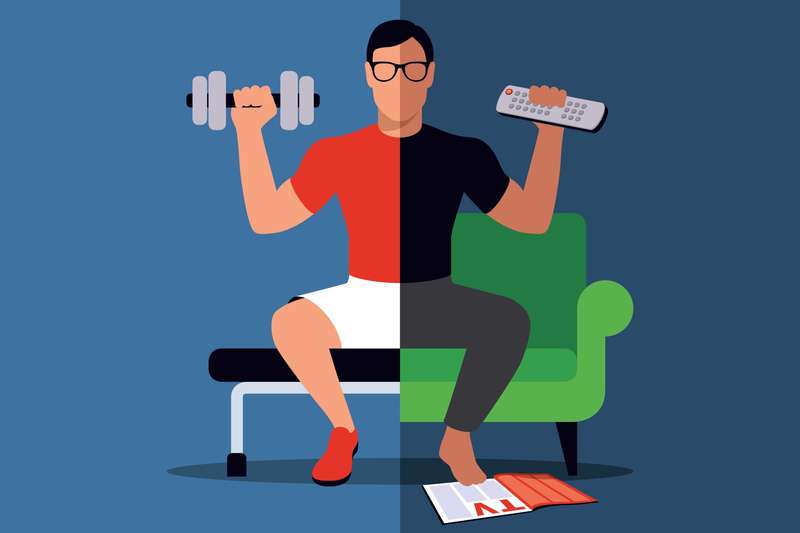
Your Choice !

 weight in check, manage overall stress levels

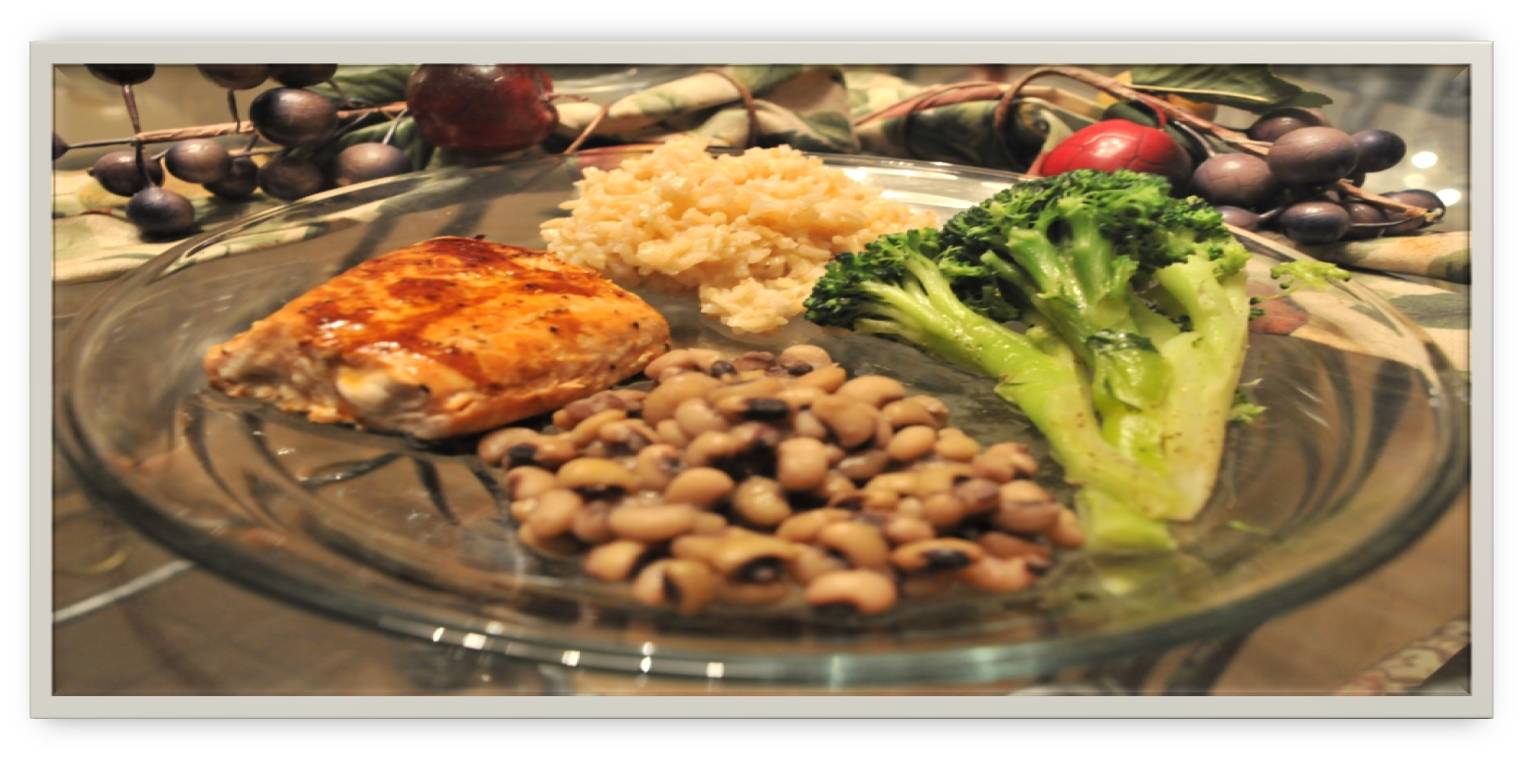
MY PLATE : Your Meal should be balanced like this plate , adding up all food groups in portion control .

Healthy eating begins with learning how to
“eat smart”- It’s not what you eat, but how you eat.
“EAT SMART” STRATEGIES “

1.Take time to chew your food:

Chew slowly

Enjoy every bite

Enjoy your Meal time

2. Avoid Stress While Eating : driving/ watching Tv/ arguing

3. Listen to Your Body : The first instant signal you get from your body to STOP!, you should set a side your plate and stop overeating .

4. Eat Early & Eat Often : Take your meals on proper timings, and should take small frequent meals in which frequency should be more and quantity of food should be less. Your Dinner ( last meal of the Day) should be at least 3 hours before going to bed.
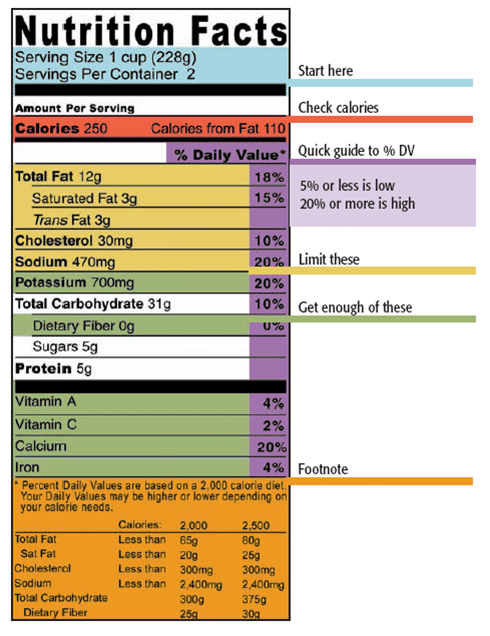
PAY ATTENTION TO FOOD LABELS

By adopting these small changes in your daily life, you can slowly move to a healthy lifestyle. So Take a message today that add on these small steps slowly in your daily routine till it becomes your habit. Nothing is difficult in this life.

STAY HEALTHY !, remember The Good Tradition is a Good Nutrition.

#healthylifestyle #diet #nutrition #expert #fitness #moderation #active

HEALTH TIPS FOR RAMADAN!

Ramadan is the one month per year where Muslims fast from dawn until sunset every day by refraining from food, water, smoking, medications, and even gum. Pregnant and breastfeeding women, children, seniors, and those on important medications or requiring nutrition care (such as people with diabetes, renal failure, or patients on tube feeds) are exempt from fasting, but if still they want to perform fasting that following are the health tips.

HEALTH TIPS FOR CHILDREN

  1. During suhoor, children should consume a lot of proteins, such as peanut butter, low fat cheese, yoghurt or milk. They should also consume beans, lentils, lean meats, nuts, oatmeal, and eggs. They should increase their fiber intake and eat a lot of vegetables, whole wheat bread, legumes, wheat cereals and dried fruit.
  2. It is very important that children break their fast with dates, soup and milk, juice or water. Dates will provide them with dietary fiber and soup, for instance, will provide them with a lot of nutrients and it is rich in hydrating ingredients and fluids
  3. When breaking their fast, children should also eat a lot of salads, since they are rich in fiber, minerals and vitamins and they will help keep their bodies hydrated, as well as prevent constipation.
  4. Children must avoid carbonated drinks, since they can cause bloating and negatively affect their digestion.They should also avoid salty foods in order to prevent thirst. Other types of food children need to avoid during fasting are spicy and fried foods.
  5. A common mistake made by parents is to encourage their kids to overeat during Suhoor or Iftar. This is an extremely unhealthy habit which causes indigestion and bloating. Overeating can also lead to vomiting and nausea. To avoid indigestion, it is recommended to split your child’s Iftar into two or three smaller nutrient-rich meals.

HEALTH TIPS FOR ADULTS

  1. Don’t skip Suhoor (pre-dawn meal):Skipping Suhoor prolongs the fasting period as your body will need to rely on the previous meal to provide you with all the nutrients and energy until Iftar (dinner). Due to the longer hours of fasting, you are more likely to feel dehydrated and tired during the day. Furthermore, skipping Suhoor also encourages overeating during Iftar, which can cause unhealthy weight gain.

2.      Don’t overeat during Iftar: Iftar should be a well-balanced, nutritious meal and not a feast! Overeating and excessive consumption of high-fat foods in particular may result in indigestion and weight gain. 

3.      Avoid eating fried foods, salty foods and high-sugar foods:  It is not uncommon for fasting individuals to reward themselves with rich, greasy, fried and sugary dishes come meal time. While these foods make you feel good in the short run, they can make fasting the next day more difficult. Aside from the unhealthy weight gain, consuming fatty and sugary foods also cause sluggishness and fatigue. In addition, you should limit your intake of salt, especially during Suhoor (pre-dawn meal), as this increases thirst,

      4. Drink as much water as possible: Make every effort to drink at least 8 glasses of fluids daily before dawn and after sundown. Fluids include juices, milk, beverages and soups but water is the best choice, you should also cut down on caffeinated drinks like coffee, tea and colas as these have a diuretic effect and promotes fluid loss.

       HEALTH TIPS FOR PREGNANT WOMEN

  1. At suhoor, eat foods that keep you fuller longer. Complex carbohydrates and high fibre foods, like oatmeal and sweet potatoes, will stave off hunger.  Add protein foods, like meat and lentils, and healthy fats, like nuts and peanut butter, to keep you fuller even longer.
  2. At iftar, choose foods that quickly turn to sugar to give you energy right away, like dates, figs, yogurt, and fruits.
  3. Drink about 10 cups of fluid/day from sunset to sunrise. Choose water, milk, and 100% fruit juice. Keep water with you to sip throughout the night.
  4. Pace you meals between iftar and suhoor. It is important not to under-eat or over-eat. 
  5. Continue to take your prenatal vitamin with water every day in the non-fast hours

Ramadan provides a chance for Muslims to “cleanse” their lifestyle from bad eating habits and junk food. Since the time for eating is so small, it is important for those that are fasting to cut out nutrient poor foods and focus on eating nutritious ones.

Ramadan, The Month of Blessings.

DIET TIPS TO BEAT THE HEAT THIS SUMMER!

Summer has set in. The hot, blistering heat isn’t solely exhausting, however drains your energy levels too.

Therefore, it is necessary to keep you healthy selecting the suitable foods in keeping with the climate

Nature has provided us with enough foods that are specific to seasons and are healthy, and this is how you can adapt your body to the seasonal changes. For summers, the secret is to eat light. This helps your heart and digestive system to stay healthy and perform well.

The next step is to choose the foods that have a cooling effect on your body

Here are some:                                           

  1. Water is the best Choice to quench thirst: It’s the key ingredient to keep the body cool; with high humidness level sweat won’t evaporate quickly, for this reason it is necessary to hydrate and drink water even when you are not thirsty.
    1. Avoid Caffeinated / carbonated beverages: All these drinks contain preservatives, colors and sugars. They are acidic in nature and act as diuretics (loss of fluid from body).
    1. Include lots of fruits & vegetables which have cooling effect on body such as list include for fruit:
  2. Blackberries/ Blue berries/ Straw berries
  3. Peach
  4. Apricot
  5. Watermelon / Musk melon
  6. Apple

And Vegetables include:

  • Bitter gourd/ summer squash
  • Greens- Cabbage, Cauliflower, Broccoli, Cucumber, Egg plant, Ice berg , Mint leaves
  • Sprouted Moong, beans & lentils

Now question arises, that how do they help??

  • Fresh Fruits & Vegetables are high in vitamins and minerals. They have an expansive effect on our bodies that draw heat from our central organs and, thereby, cool the body.
    • Fresh veggies & fruits also contain a lot of water that boost the cooling impact on the body.
    • Do not drink very Chilled Liquids: they don’t help to keep your body cool down, in fact drinking cool liquids when you feel hot may cause a small constriction of the blood vessels within the skin and decrease the heat loss, which is not advisable when trying to cool down your body.
    • Drink Lemon juice & Coconut water to replenish the fluids that are lost in sweat
    • Minimize the intake of hot, spicy and salty foods
    • Cut the intake of fried foods like Samosa, vadas, Chips etc, as fats have thermal effect.
    • Maintain good Hygiene levels.

We can Beat the Heat this summer, by nourishing ourselves with natural & healthy foods & stay hydrated.

The Importance of A Dietitian

Yeah, I am dietitian, I worked in a hospital setup, on daily basis I see and meet people who tell me their stories of controlling their diets through some facebook page medium or Google and ultimately what they face is a failure, or some other health issue because they blindly trusted a medium who is not authentic they cannot complain for that.

Now days, on internet and many facebook pages you get to see fitness tips, dietary plans for weight loss, and random people guiding you for healthy lifestyle. But wait a minute, have you ever checked the person who is guiding you for your weight loss, giving you tips, is he / she is the right person to get information? . Have you people ever tried to check that? The answer of majority of people is NO!

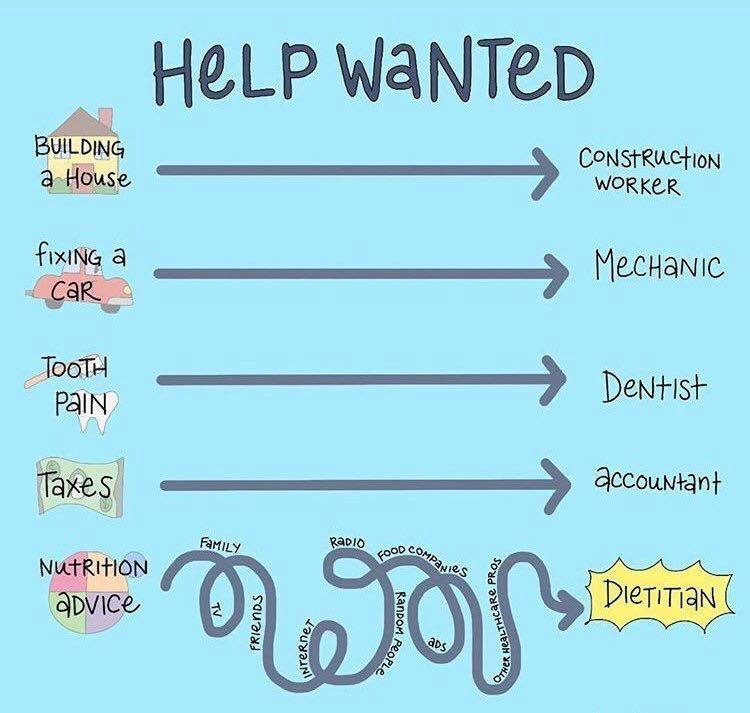
Today my blog is just to create awareness among our society and world that we should always seek knowledge from that person who is expert in it. Like when your car get a problem you don’t Google the problem , you rushed to the mechanic to get it fix properly , similarly when you have any health issue you got to the Doctor, and get treated. So my question is “ When you have diet problem , weight gain, under weight, malnutrition , eating problems, then why you don’t go to the expert directly ??  ,

Many people now a day are getting awareness about the role and importance of a dietitian / nutritionist. Let me explain you what is dietitian? / Nutritionist.

They are the expert in Nutrition, the get their degrees and education in detail about nutrition, importance of nutrition in different spans of life, what role play by particular nutrients in one’s life. The interaction of drugs and food. So they are the expert to guide you properly about food about your lifestyle. They can give you proper education, information about how to move towards healthy lifestyle. How to treat your medical problem through a food.

But now a day’s people prefer to find solutions on internet than to trust a dietitian. This ultimately leads to some one or another problem which they cannot understand.

People follow wrong myths and misconceptions related to foods and diet, so they should once go and visit a dietitian / nutritionist experts to get information. To clear their myths about the diets and food.

In this world for every problem there is an expert, so for your weight gain, obesity, malnutrition, therapeutic dietary guidelines to give you information about this there is an expert available in nearby your clinics, hospitals her / his name is DIETITIAN .

Stay Healthy, Eat well. Ill surely comeback with a new topic of discussion with you people.

Thank YOU and Remember ‘The New Tradition is a Good Nutrition! ‘